
Attendees and spectators at high-profile events such as the Met Gala and Paris Fashion Week expect cutting-edge fashion and exuberant looks – and this summer, Robert Wun has not disappointed with his eye-popping, 3D-printed creations, as Gabrielle Brown reports
With his sculptural silhouettes and theatrical storytelling, Hong Kongborn designer Robert Wun has established himself as one of the most exciting and innovative voices in contemporary haute couture.
From costumes for lavish ballet productions to outfits for musical powerhouses including Cardi B and Lizzo, Wun’s designs blur the lines between garment, sculpture and performance art.
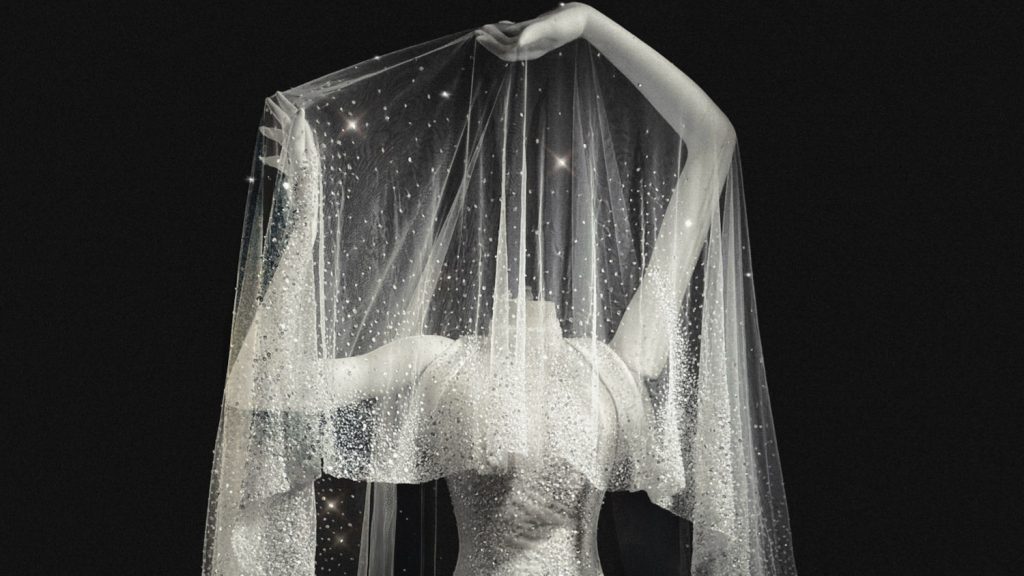
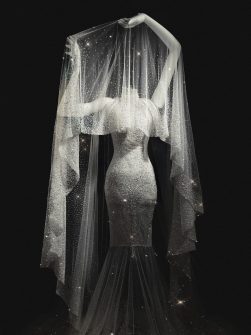
At this year’s Met Gala in New York, for example, Blackpink band member Lisa (Lalisa Manobel) wore a Robert Wun embroidered gown covered with almost 67,000 Swarovski crystals and an extra set of 3D printed arms extending from the shoulder. And at Paris Fashion Week, Wun launched his Fall/Winter 2026 collection, entitled Childsplay, which explores the themes of childhood and imagination.
This features motifs including teddy bears and fairytale characters – as well as a good helping of 3D printing. Launching such flights of fancy requires exceptional attention to detail when it comes to manufacturing, and in order to explore what’s possible with 3D printing, Wun partners with Malcolm Nicholls Limited (MNL), a UK-based company specialising in model-making and additive manufacturing.
From concept to creation
Every project begins with Wun’s vision, with the team at MNL tasked with ensuring that, however elaborate the concept, it can physically exist in the real world.
“Our challenge wasn’t just printing these intricate designs; it was ensuring they were comfortable for a runway, red carpet or high-intensity ballet,” explains MNL technical director Ross Nicholls.
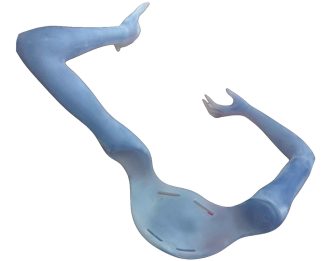
The arms attached to Lisa’s Met Gala dress, for example, were designed using 3D scans of her own limbs, taking inspiration from traditional Thai dance positions. MNL used Materialise Magics to analyse each component and identify potential areas of weakness and optimise parts for additive manufacturing.
A key focus of all projects for MNL when working with Robert Wun is reducing the weight of sculptural elements without compromising strength. As pieces are intended to be worn for long periods of time, wearer comfort is critical. Physical prototypes are printed to test fit, strength and scale, as well as tweaking the weight and balance for wearer comfort.
MNL explores hollow components, optimising wall thicknesses and reinforcing areas subject to higher stresses, ensuring that finished pieces remain as lightweight as possible. All of this happens while also retaining the structural integrity needed for pieces to withstand handling, transportation, fitting sessions and the event itself.
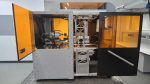
Tight timelines and the number of parts involved often means getting both of MNL’s Stratasys Neo800 SLA printers running simultaneously. SLA technology is used by the company and preferred over FDM not only for its speed, but also for surface quality, fine detail reproduction and accuracy. Creating such complex, bespoke pieces within such a tight deadline would not have been possible using traditional manufacturing.
These ambitious, creative designs that bridge craftsmanship and engineering put Robert Wun’s work in the spotlight at this year’s Met Gala and Paris Fashion Week, further reinforcing his reputation as one of the most exciting and innovative voices in contemporary fashion.
This article first appeared in DEVELOP3D Magazine
DEVELOP3D is a publication dedicated to product design + development, from concept to manufacture and the technologies behind it all.
To receive the physical publication or digital issue free, as well as exclusive news and offers, subscribe to DEVELOP3D Magazine here