
How Rolls-Royce is shifting to the latest out-of-the-box software and low-code tools to tackle the tech debt placed on its engineering and manufacturing teams by decades of customised software, and open its data up to the benefits of AI
Rolls-Royce plc is open about the challenge it faces as it looks to modernise the digital backbone of its design, engineering, manufacturing and maintenance around the world.
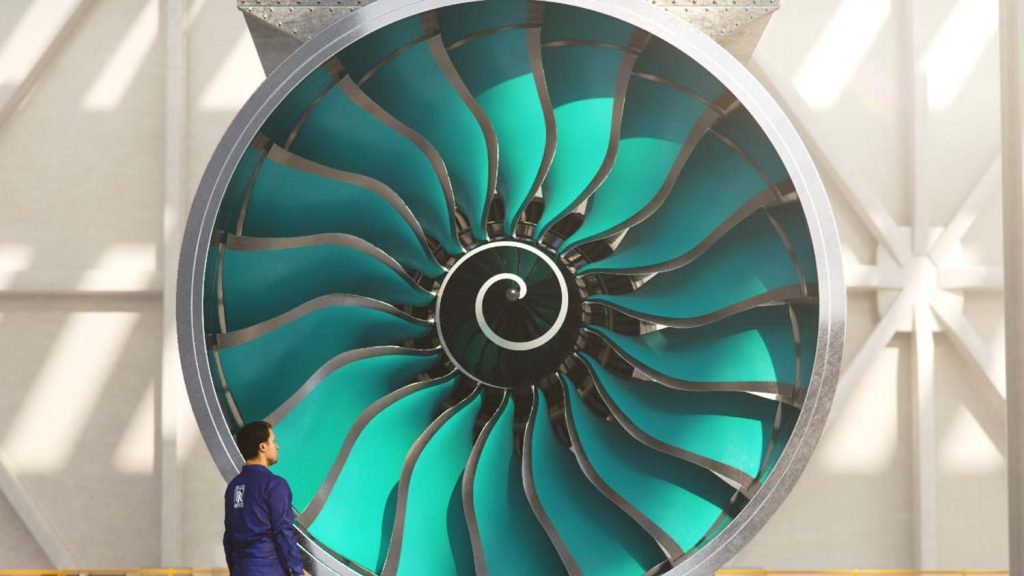
With some 13.5k Siemens Teamcenter PLM users, 4.15k Designcenter design and engineering users, and 12.5k Opcenter manufacturing operations management users, covering some 1.4 million parts for its complex power and propulsion solutions, with some facing an expected lifecycle of 50+ years, it’s not a task for the fainthearted.
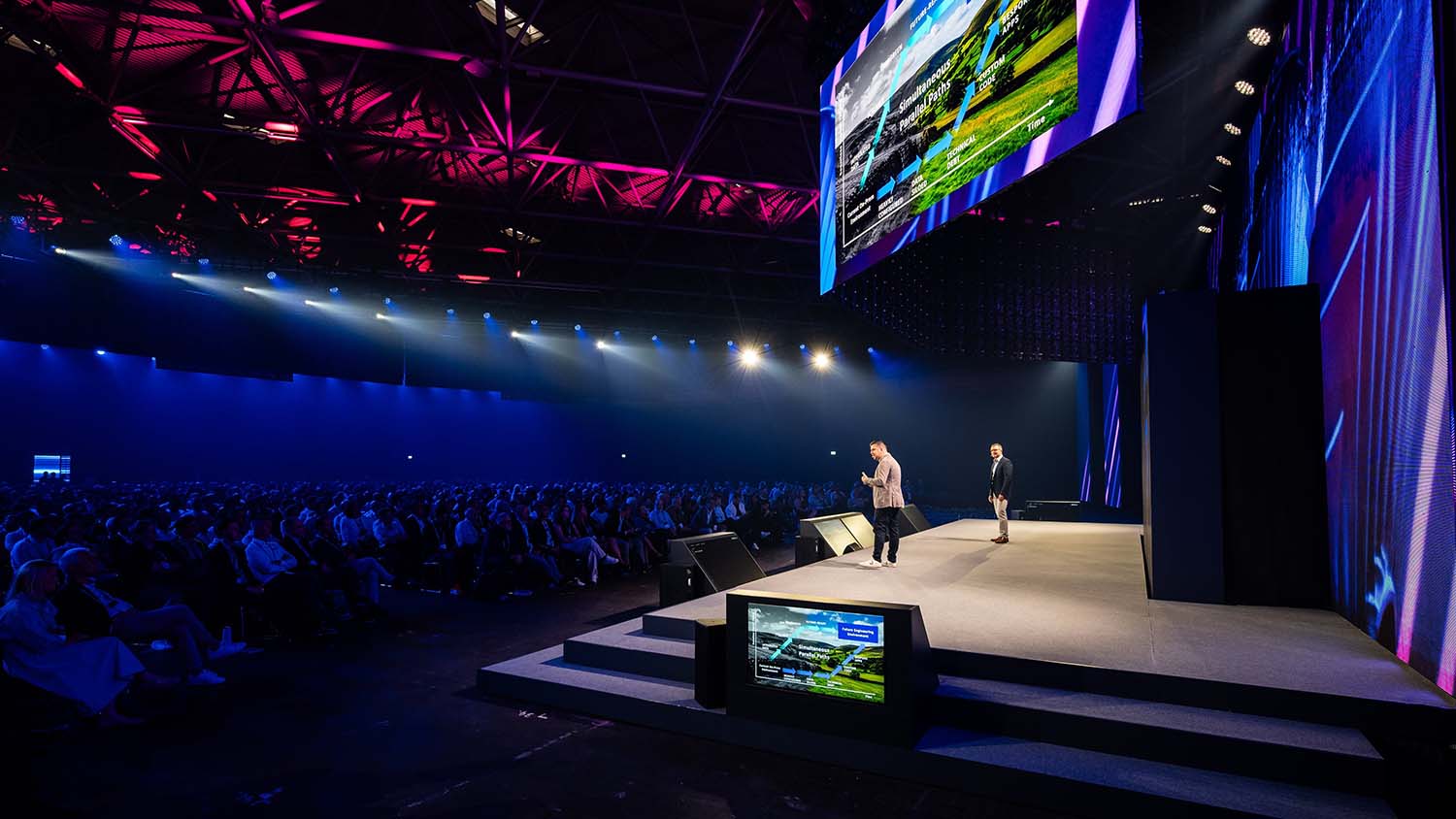
In its mainstage presentation at Siemens Realize Live on 30 June in Amsterdam, Rolls-Royce highlighted how software options that seemed like great differentiators and advancements 10 years ago are now proving a barrier to them moving forwards.
From custom solvers locked to local machines, or bits of code only used by a couple of staff who are now about to retire, it is racing to modernise its digital toolkit, working with Siemens, Microsoft and other top tier technology suppliers to do so.
“We went down a cultural journey of very heavily configured PLM,” said Jonathan Cooper, Rolls-Royce group head enterprise systems & digital strategy on stage. “We thought that was technology differentiating for us. It’s not. It’s a huge barrier.
“What that did then is it drove us to creating all of our innovation in little silos, so it’s fantastic innovation solvers that we’ve created ourselves that are bespoke for our capability, but those solvers and data are locked into, in some cases, machines on desktops, and you can’t share that data and then realise that benefit.”
Cooper describes this as Rolls-Royce’s ‘tech debt’ – putting a lot of load onto their IT organisation due to the number for bespoke apps interwoven into their business that hold them back from moving to a better position.
A world away
Rolls-Royce’s solution is to create a ‘parallel universe’ with Siemens and Microsoft and other partners, where “all of the hard stuff” can be fixed. And at the heart of this is going to be the cloud driven software of Siemens Digital Industries portfolio – Designcenter, Teamcenter, Opscenter and Intelligence Center X – as it makes the shift toward SaaS options.
Cooper says this will make the organisation future ready, not only so it can move to regular updates – even twice daily, as mooted at Realize Live – from Siemens to maintain the latest standard, but as a cultural change as well. “At the moment, if I change anything on my estate, my engineers are slow to culturally take it, because they’re not used to updates.
“It’s not like an update that drops onto your phone, and you just go, ‘oh, it’s a new functionality, great, I’ll carry on’. There’s always a learning process, so we have to change our culture to get it out of them.”
Moving forward
The first thing that has happened is that Rolls-Royce has removed all its users from its mainframe and turned it off. “A massive piece of work for us,” admits Cooper. “It’s been a painful, painful dance with lots of stepping on toes, but we’ve got there – so that gets our bill-of-material and positioning team tools to where we can then release to use all that future capability.”
The next step is the rollout of Opcenter in its internal assembly plants before adding in Teamcenter. The last step will be moving quality management into Teamcenter from an old, ‘fragile’ version of SAP, which frees them to then make upgrades to SAP and more.
“This is us really making that step to: I want to go to what just comes out of the box from the industry. I don’t want to customise now, while I’m doing all that on the background, and we’re really pushing the IT team and doing the hard work.
“All of the engineers and manufacturing engineers are having great fun at this parallel world that we’re creating.
Cooper adds that with Microsoft, Rolls-Royce is building out Teamcenter on the cloud, and then a waterfall of apps that it wants to containerise and put in the cloud. That will eventually end up in us releasing our future engineering environment to the team this year,” he says.
The first things to be put in that environment will be MBSE enablement with Capella.
“And we are going as a group to move to Ply [a no-code software platform that allows teams to build custom features and automated workflows directly into the apps they already use],” continues Cooper. “What that does is it then allows me to do the what I call the AI enablement piece. I can use all of the built-in resident AI capability within all those tools that I’ve just put on the cloud.”
The AI upgrade
Here, Cooper says, is where the exciting part happens: the integration of AI enablement with Siemens Intelligence Center X.
“The beauty with Intelligence Center [is] we can add then into that our data lakes and AI capability that we have in house, so we have our Air Factory and Air Foundry, and we also agree very heavily on Databricks, and we can directly integrate that.”
From this setup, he says, Rolls-Royce will be able to use Siemens Intelligence Center X to then create its data fabric, gain meaningful understanding and identify key drivers of capability and efficiency.
Key to this is Mendix and its low code abilities – which immediately means that Rolls-Royce can code what it needs internally without being tied to expensive external consultant programmers. “I can use Mendix to top and tail and say, ‘Teamcenter, I want you to give me two more parameters’, and then you see it come up through IntelligenceCenter X and visualise.
“We must focus on de-customisation. Customisation is the enemy in this respect, and we must make sure that when we are using this data, we really invest in Mendix as a tool, because Mendix will really be what allows you to surface those insights if those insights are hidden in an enterprise system,” Cooper says, concluding the presentation with the notion of real power is that every user is capable of surfacing their own insight. “Because the reality is the people that own the problem and who are trying to solve that problem are the ones that are going to realise the insight at the point where it arrives.”
The shift to a full end-to-end digital thread is a challenge even for a company of RollsRoyce’s capabilities, but there are signs that a coherent path is being forged.
This presentation formed part of the Siemens Realize Live event in Amsterdam. Stay tuned for our full event report – which will feature in the upcoming issue of DEVELOP3D Magazine. Get updates here.