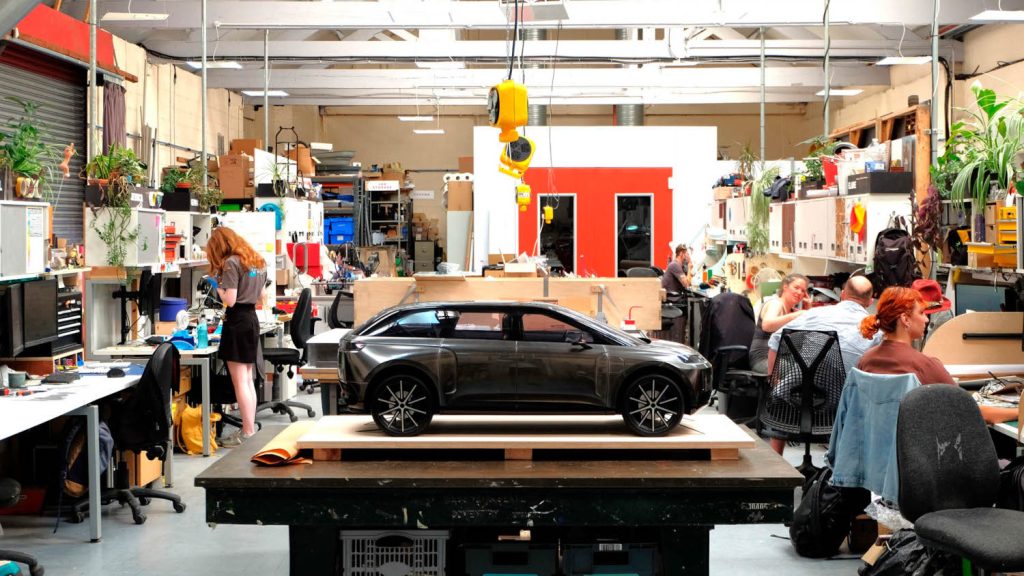

Amalgam Modelmaking knows how to take a client concept from paper to prototype, whether the deliverable involves precision small-scale model making or oversize exhibition sculpting, as Gabrielle Brown discovers on a visit to the company’s Bristol, UK-based workshop.
Nestled in an industrial park on the edge of Bristol city centre are the premises of Amalgam Modelmaking, the masterminds behind numerous iconic products, prototypes and props.
With roots in making scale models for architects and designers, the company now works on a diverse range of bespoke, one-off and small-run, highend commissions, including props for TV and film and public art installations.
Examples include a lifesize Wallace, built to promote the science-themed TV series ‘Wallace and Gromit’s World of Invention’ from Aardman Animations; and a replica of the Autosub Long Range (ALR), the bright yellow, long-range autonomous underwater vehicle developed by the UK’s National Oceanography Centre and nicknamed ‘Boaty McBoatface’ by the British public.
For many years, outsourcing modelmaking was standard practice in product design, bridging the visualisation gap and developing prototypes at many stages of the workflow. In the last decade or so, however, the evolution of desktop 3D printers has made prototype creation an easier and more accessible business, as well as radically driving down costs. In response, Amalgam has had to evolve.
Scaling up
Design and account manager Lewis Jefferies has been with the company for ten years. “At the beginning, it was a lot of 3D prints, a lot of development prototypes produced for design and product companies,” he says.
But times have changed, and other sectors have found a need for Amalgam’s skills. “Our inquiries from design companies have dropped quite a lot, but we’ve found that our intake of trade show models has increased massively,” he explains.
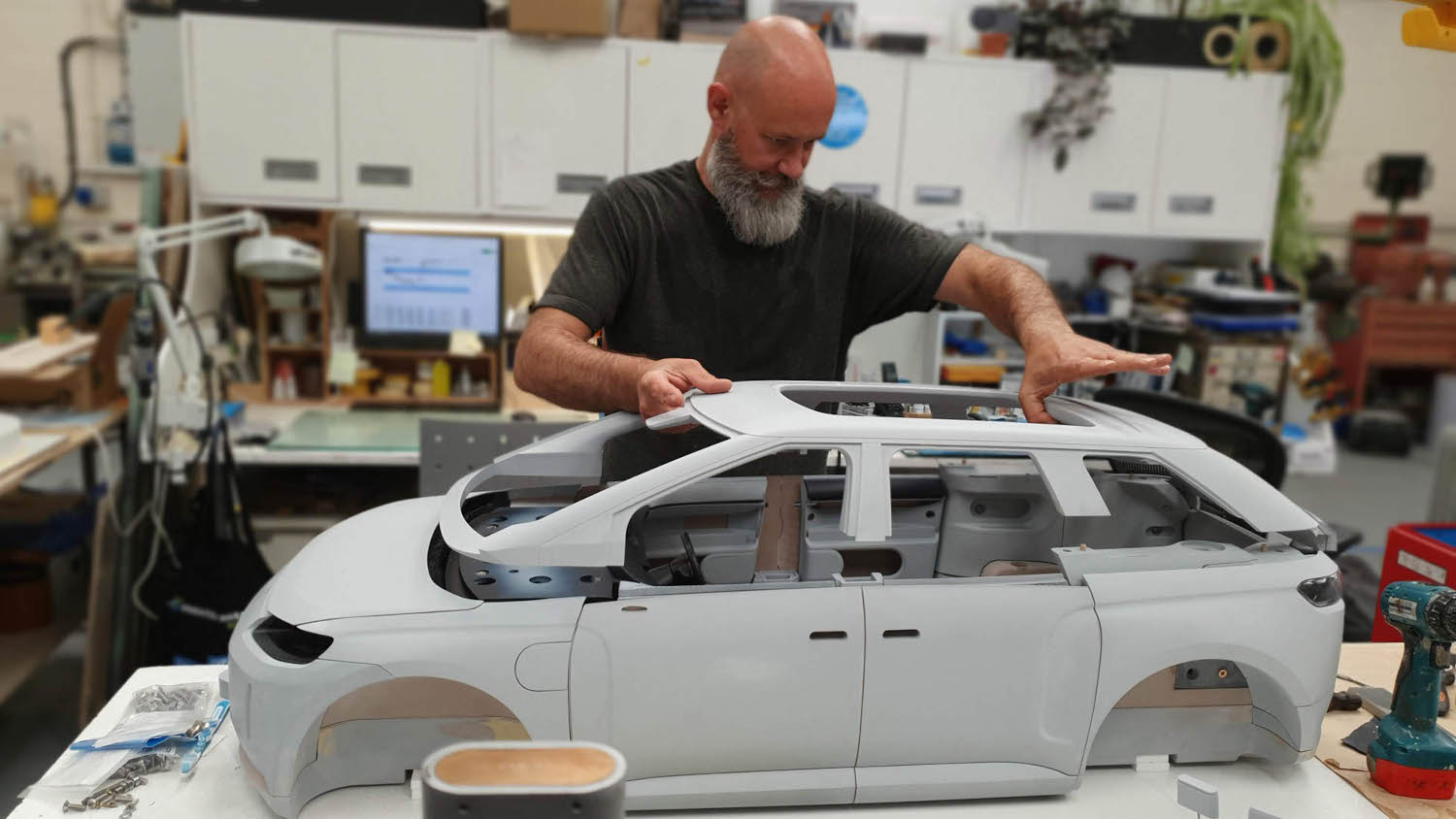
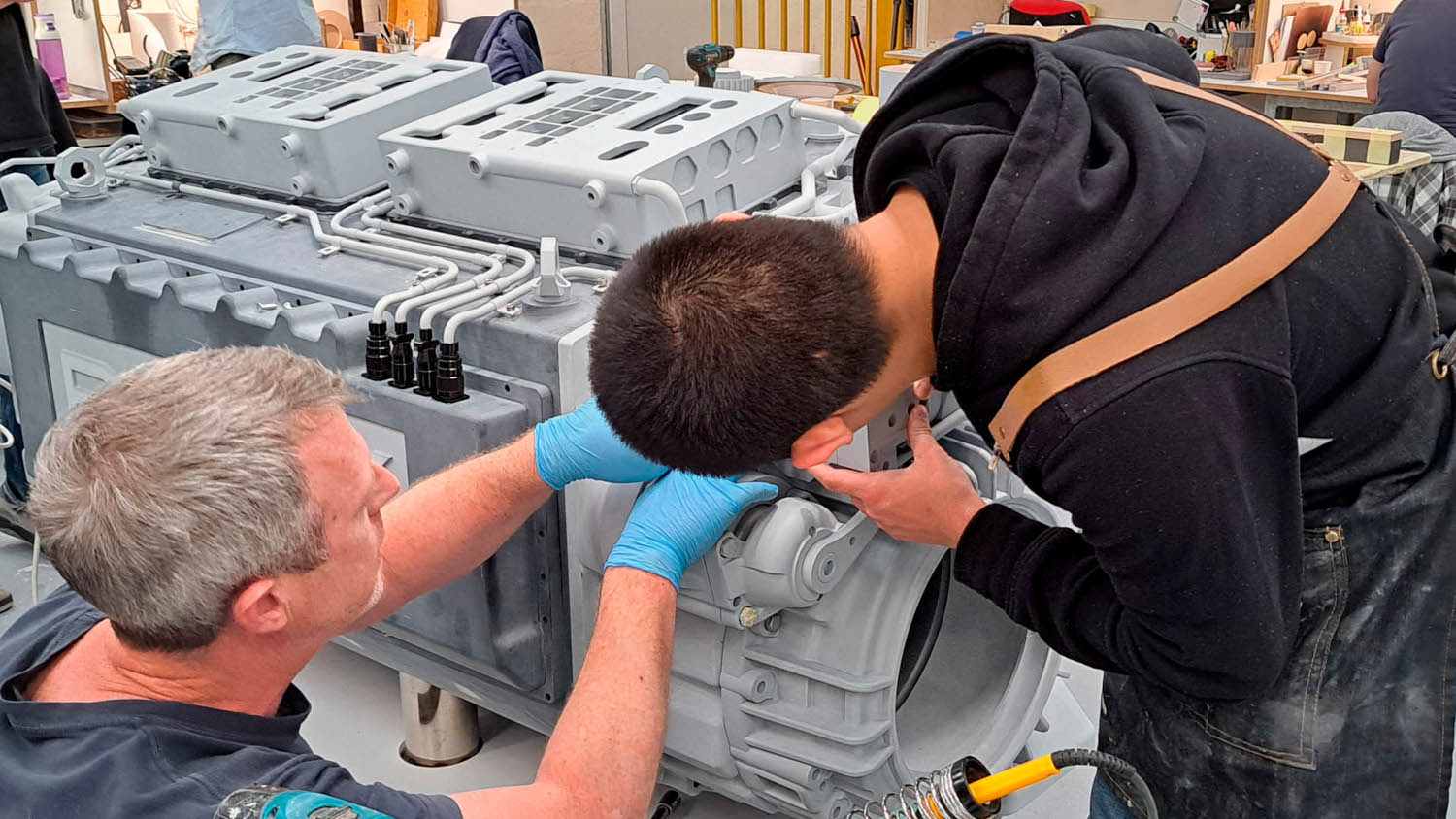
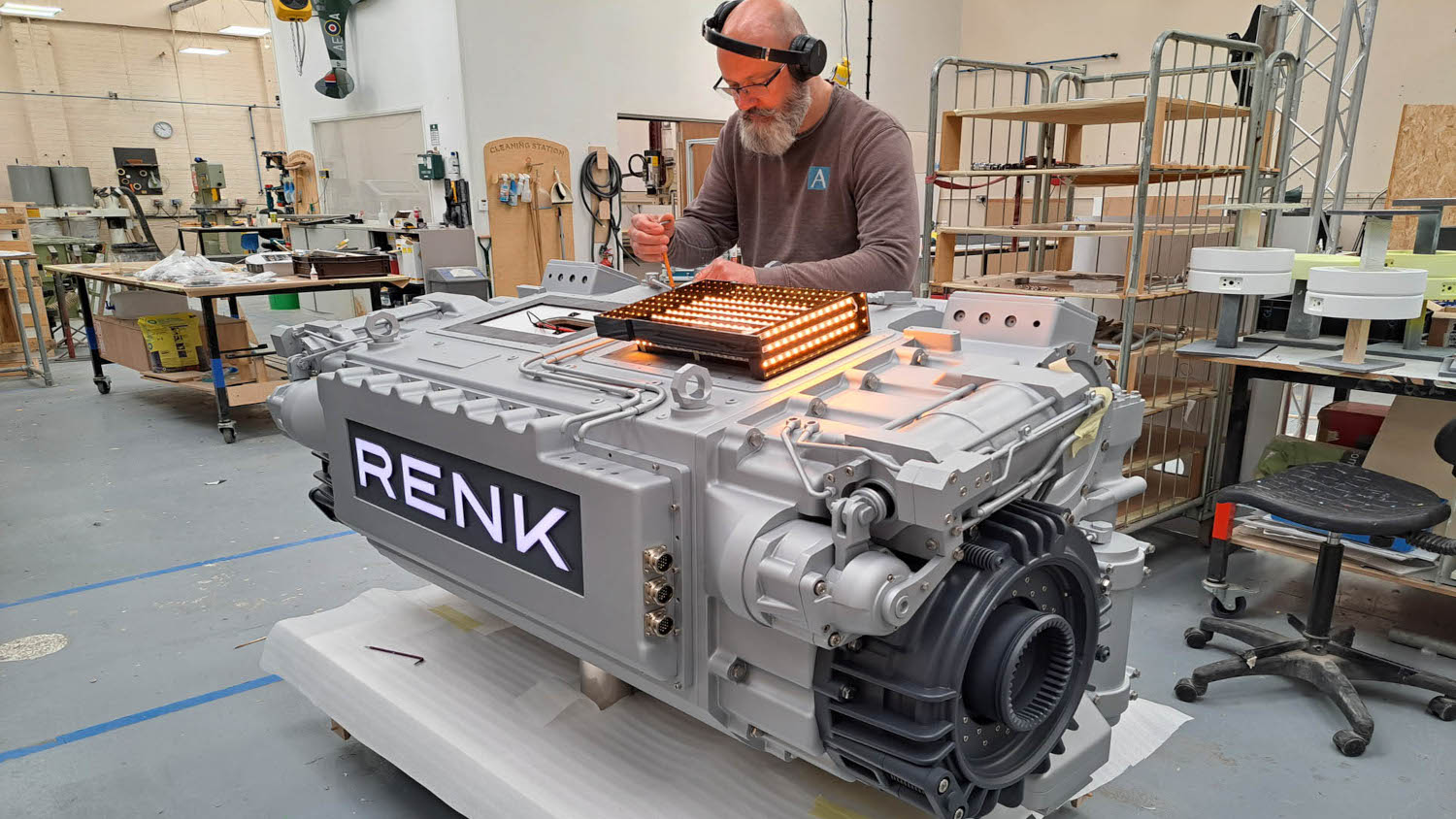
That’s driven by the need to give trade-show attendees a compelling reason to visit a particular stand in an exhibition hall, according to Amalgam director Joe Peston. A blown-up version of a product, complete with internal mechanisms, lights and moving parts usually do the trick. In other words, when a brand needs to make a striking impression, it may well be looking for a complex, supersized model, the creation of which surpasses its in-house capabilities.
Here, Amalgam’s skilled craftspeople and impressive machine capacity really shine, along with the company’s experience in working with materials and fine finishing. This team can take a model off one of its printers and make it look like it was cast in metal or carved from wood – but critically, it’ll still be light enough to transport to the exhibition space or TV/film set.
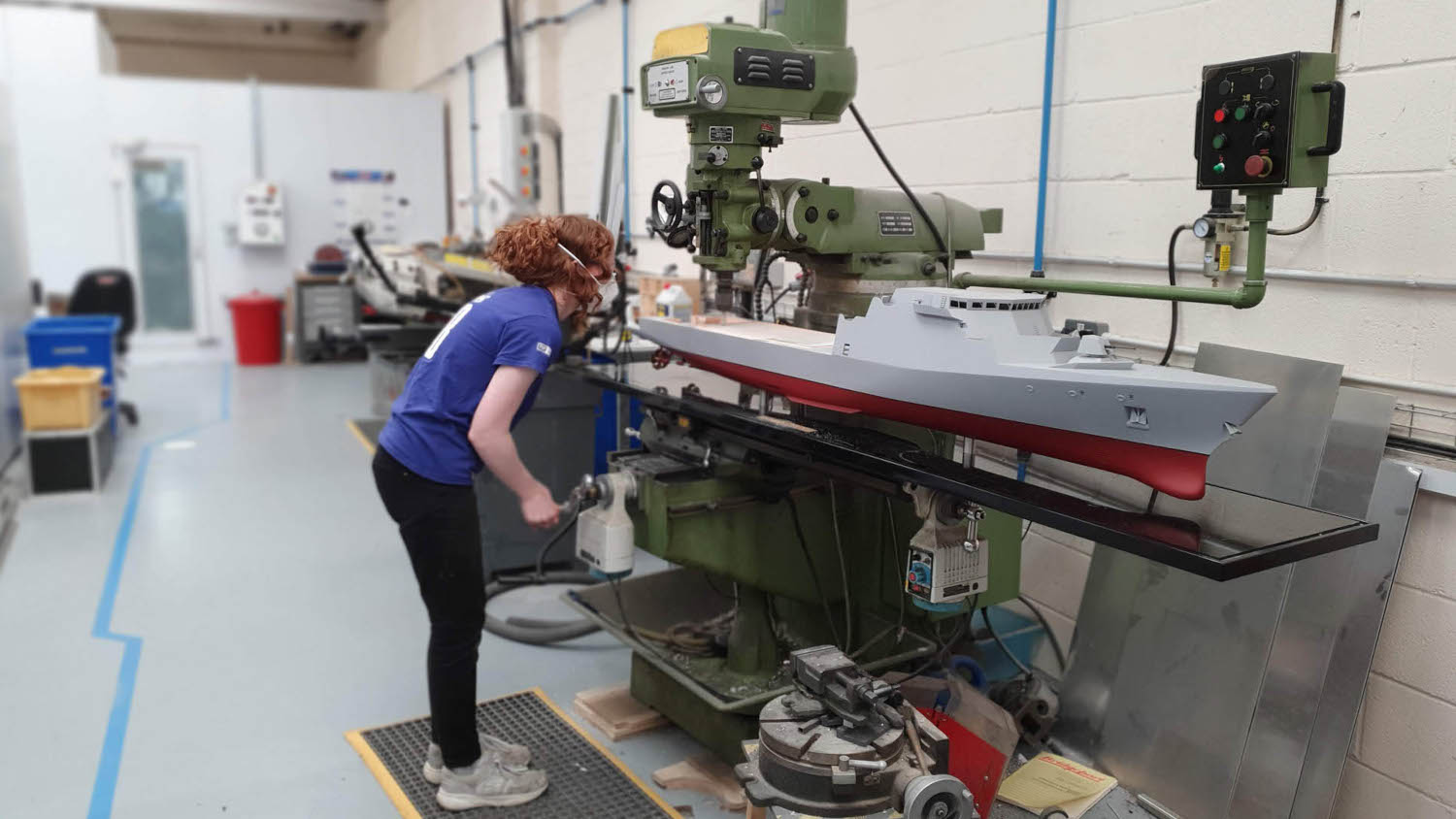
The Amalgam team has a fleet of additive machines at its disposal. This includes two Formlab Form 3 printers; one Form 3L SLA 3D printer; five FDM Creality desktop printers; and a 3-axis CNC machine. It also has the contacts and capability to outsource SLS and extra SLA printing, should the need arise.
Roll with the changes
Today, modelmakers work in partnership with the sales team, rather than the prototyping and design team, in a world where trade show exhibits that previously would have been prohibitively expensive can now be created faster and more cost-effectively with new techniques.
Another change is that, compared to 10 years ago, every modelmaker at Amalgam now has a workstation capable of running Rhino and Solidworks, explains Jeff eries. Technology skills are now an important part of the job, but ideas remain king in a company charged with consistently coming up with unique, one-off pieces.
“Every project is unique, but when similar projects come in, they’re trying to solve a problem that we might have already solved or have got an idea of how to solve it in a very efficient way,” says Jefferies. “That can save them money, time and effort in the long run.”
While many companies now outsource 3D printing to factories in China, that doesn’t always make a project cheaper in the long run. The distance can create a struggle around redesign and development. With Amalgam, initial prototyping is done and redone until a customer is happy. Only then will the product be mass produced elsewhere. Plus, clients can sit down in person with the Amalgam team to discuss concepts and even make in-person visits to give their feedback.
“Having that human interaction is paramount, because a lot of the things that we’re producing are handheld, feeling, touching type things,” says Preston. The accessibility of AI means that clients are often coming in with a more formed idea, he adds, highlighting its use as a communication tool to better understand client ideas.
“Some of them are generating ideas themselves, rather than the old cliché of an idea on the back of a fag packet,” he says. “You’ve still got to do all the design elements and understand if it works for a human – but as a kick-off , it’s very useful.”
All visual concepts go through CAD and visualisation work. Depending on the project, the team uses a range of software from Solidworks and Rhino to build CAD models, with Ansys SpaceClaim used to repair, manipulate and scale 3D scan data. KeyShot is used to produce renders of concepts that help the design move forward and allow clients to quickly assess and sign off on projects.
While modelmaking has changed and technologies have become more democratised, Amalgam still offers experience and skills not available elsewhere. For brands that are serious about their products, outsourcing model making to real experts still makes a lot of sense.
This article first appeared in DEVELOP3D Magazine
DEVELOP3D is a publication dedicated to product design + development, from concept to manufacture and the technologies behind it all.
To receive the physical publication or digital issue free, as well as exclusive news and offers, subscribe to DEVELOP3D Magazine here