
New Designers is an annual London showcase of some of the UK’s most innovative emerging design talent. DEVELOP3D scoured the exhibition floor of Islington’s Business Design Centre in order to bring you our pick of the five most promising up-and-coming names and their visionary ideas
The New Designers show represents the pinnacle of UK graduate work in product design, and in recognition of its importance, DEVELOP3D was the proud sponsor of the DEVELOP3D Top 5 award at this year’s event.
Focusing on projects that address real-world needs in verticals covered by the magazine, our judges were on the lookout for designs that demonstrate both real ingenuity and a strong foothold in commercial reality.
The finalists on this year’s list were able to clearly articulate the passion behind their projects, provide us with a deep-dive into the processes that brought them to life and field our questions about the manufacturability of their designs.
With so much exciting work on display, selecting our finalists was no easy task, but here are the five who most impressed us.
Sierra Kebbie – University of Sussex
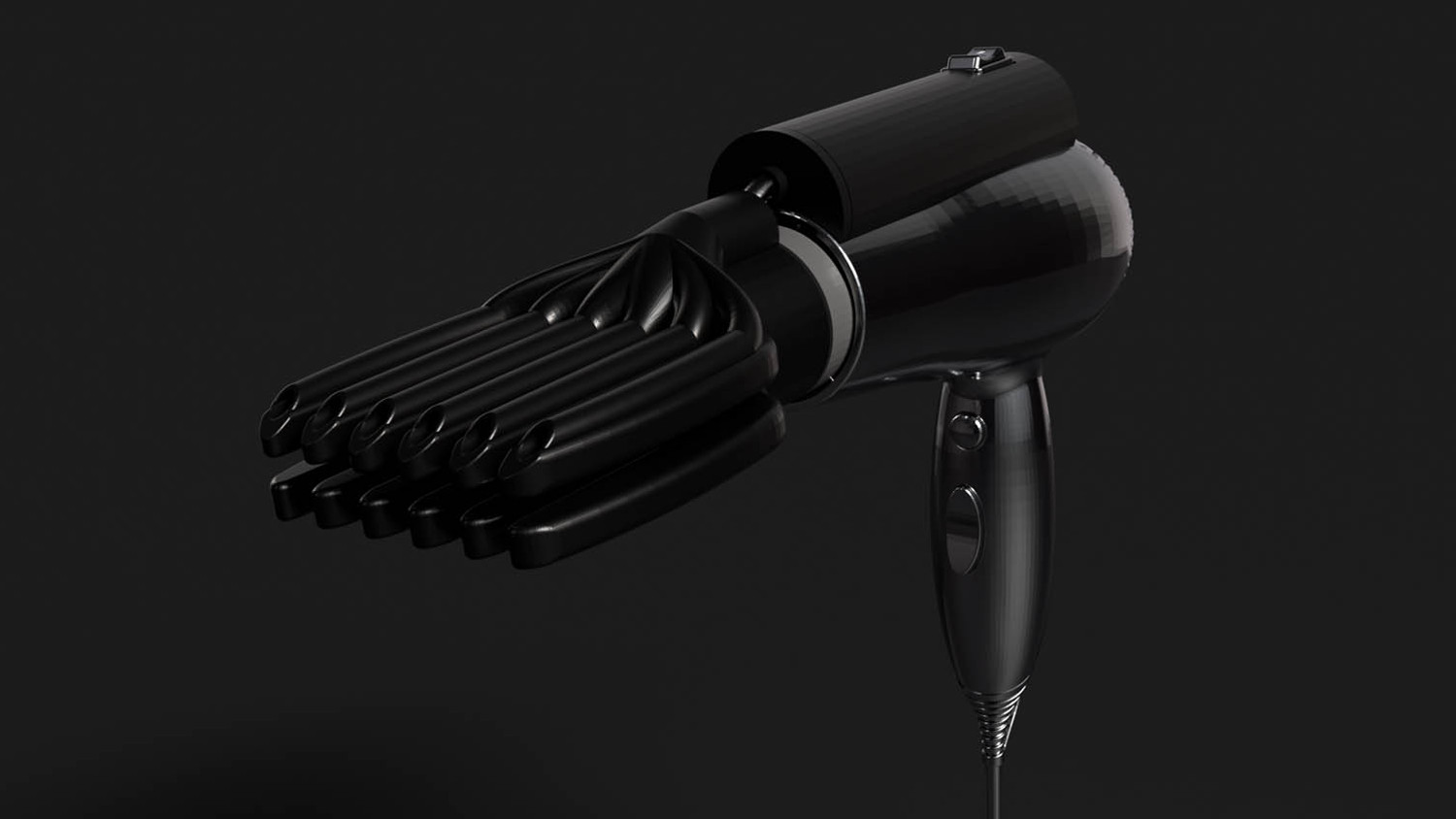
In the global haircare market, the managing of curly hair is often an afterthought. CurlFlow is a hairdryer attachment designed to streamline at-home or in-salon styling processes and evenly distribute styling products through 3a-4c hair types, to achieve voluminous, natural looks.
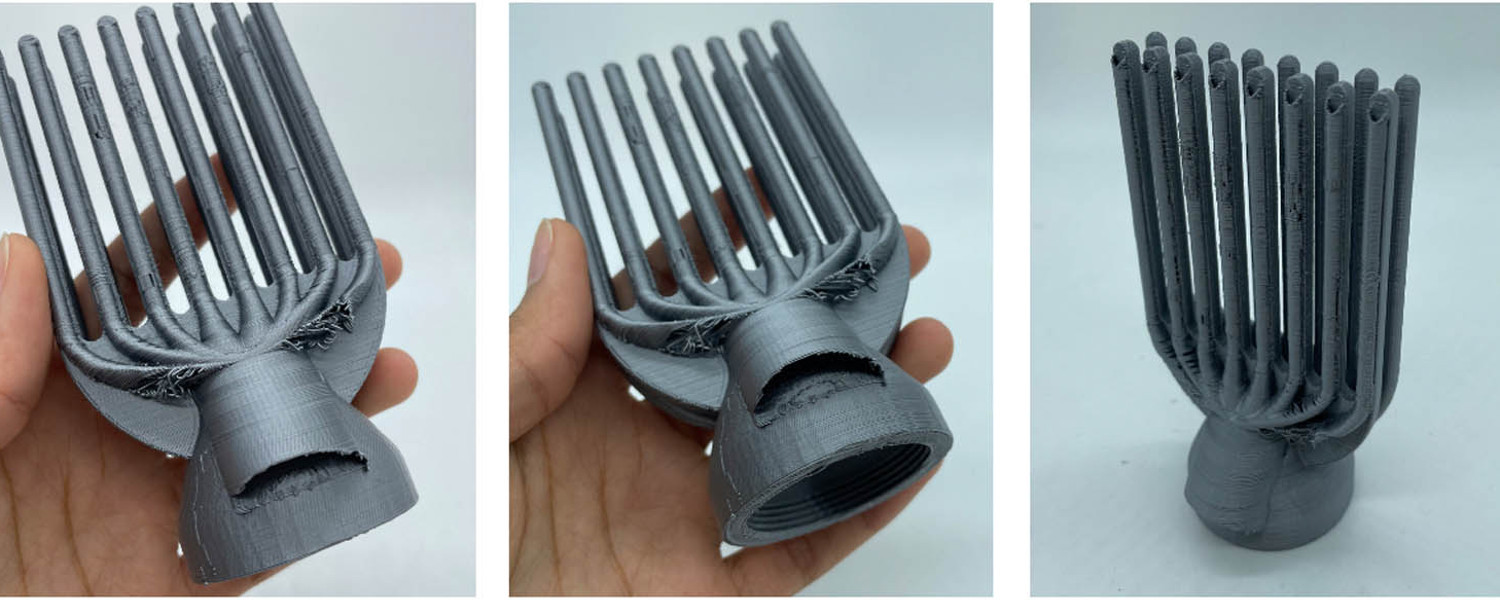
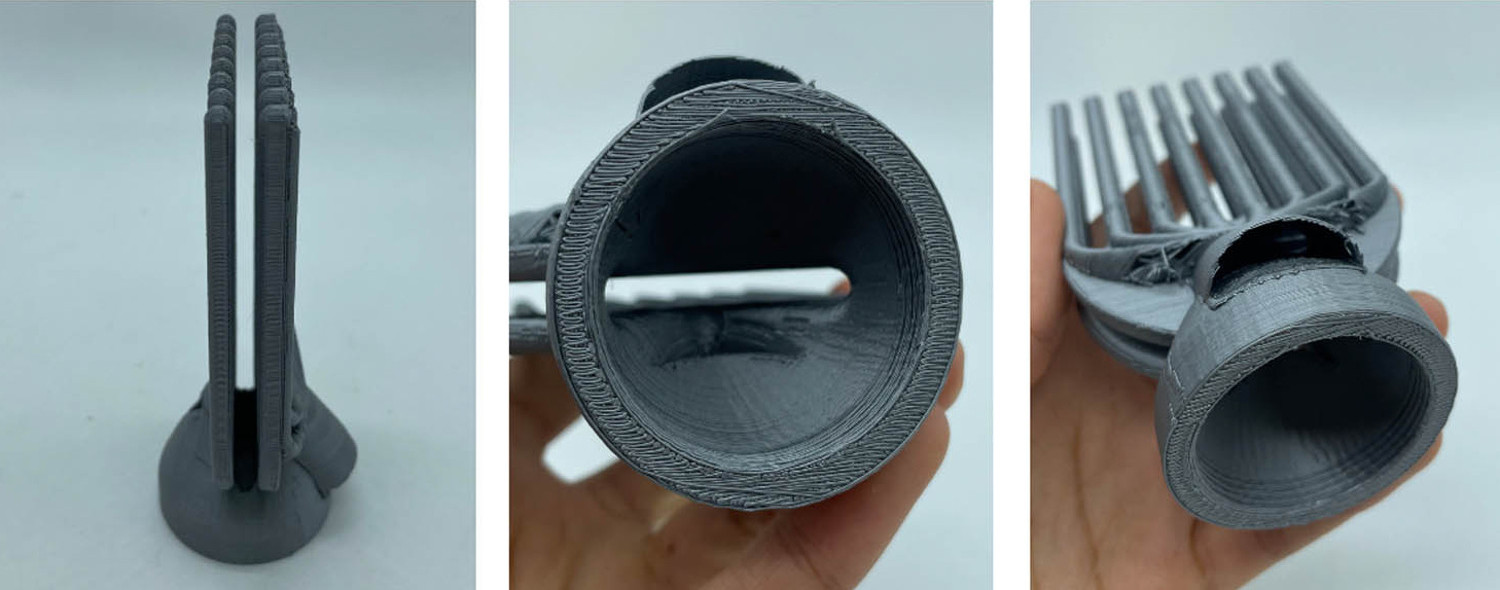
Following a survey of nearly 100 people with those hair types, Sierra Kebbie began to visualise via sketches her idea to combine heat flow from the hairdryer with styling product distribution.

Cardboard prototypes assessed size, ergonomics and attachment of the product to existing hairdryer models, so that CurlFlow remains usable when hairdryers are replaced or upgraded.
Once in Solidworks, a flexible yet heatresistant 3D-printed Nylon 66 prototype further developed the tool. Renders in Adobe Dimension allowed different hairdryers to be imported into scenes, demonstrating how the attachment fits a wide range of hairdryers.
“The highlight of this project was speaking to people to help solve a problem within their lives that had been overlooked,” says Kebbie. “Their input was crucial in ensuring the product worked efficiently and effectively.”
https://www.linkedin.com/in/sierra-kebbie-610897219/
Scarlett Harris – Bournemouth University
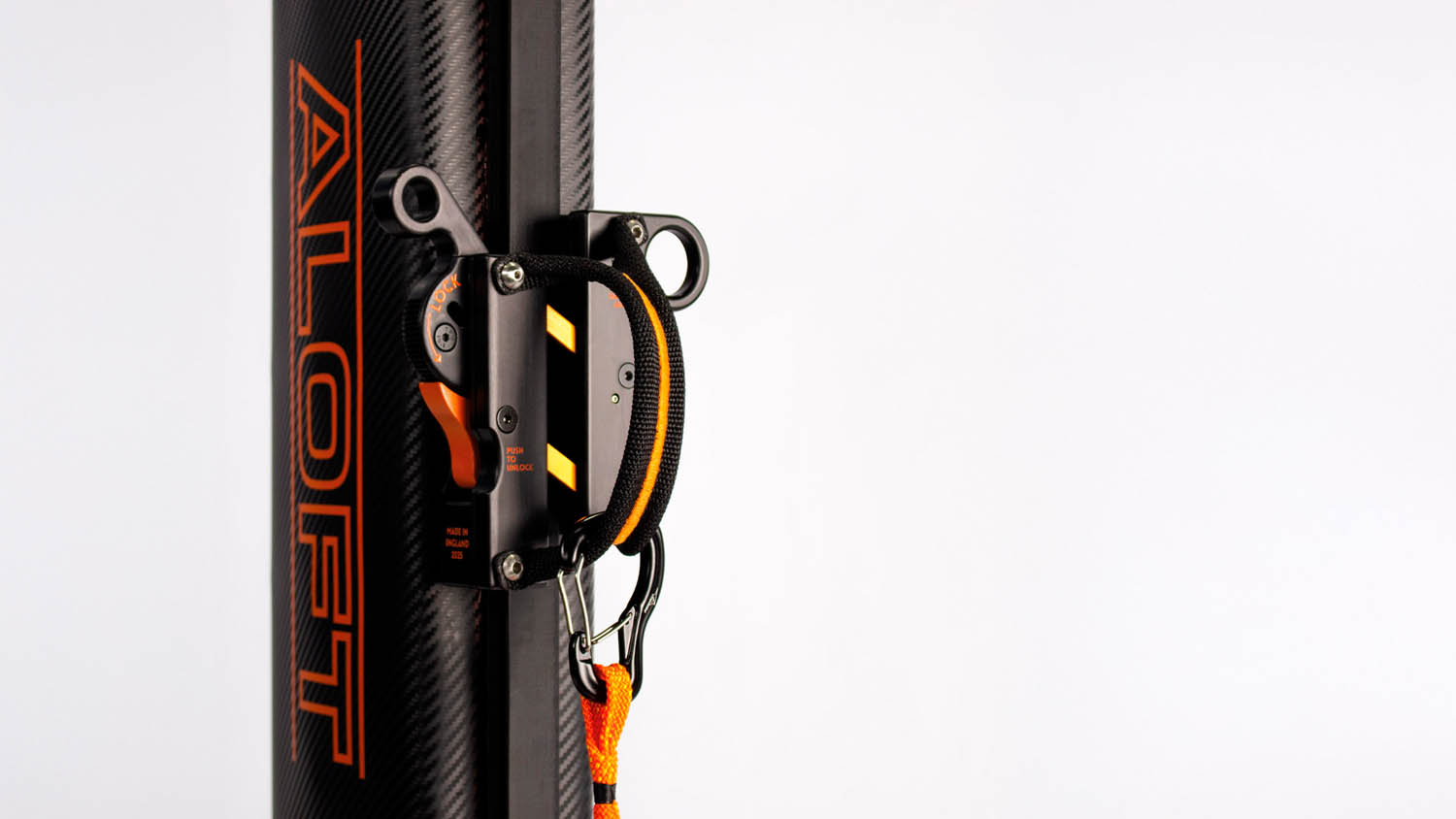
Aloft is an independent anchoring option for sailors working at height on yachts, securing to the existing main sail track and standing rigging, removing reliance on others and minimising human error.
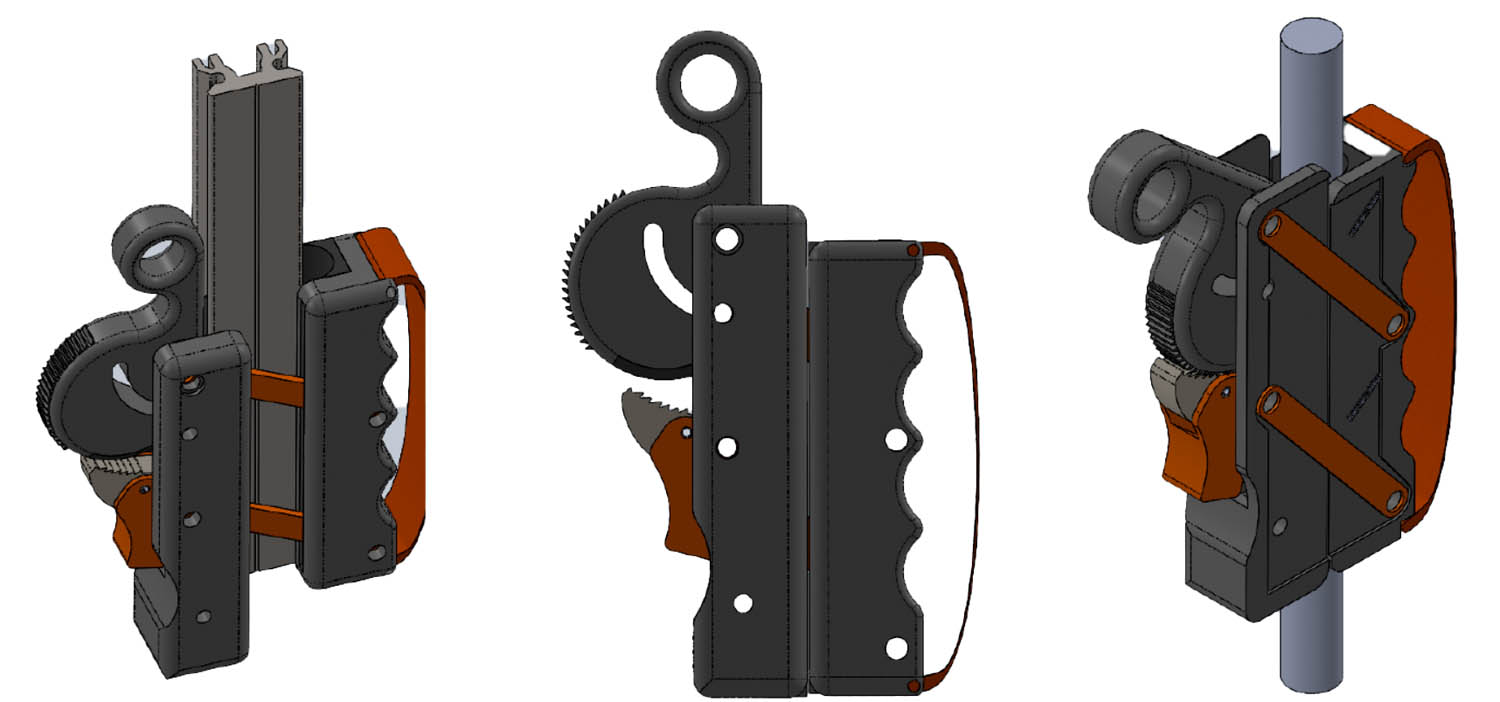
An experienced sailor, Harris conducted interviews to understand user behaviours and safety concerns, before sketching potential solutions. Extensive physical ideation was used early on and AI was deployed to explore aesthetic forms.

Precise mechanical design and integration of functional components was carried out in Solidworks, while KeyShot was used for rendering. Early models used MDF for quick validation, moving on to more accurate lasercut timber and acrylic to validate geometry. Eight weeks of high-fidelity prototype manufacturing saw Harris machine and anodise aluminium components to provide an exact model of the design.
“One of the most rewarding aspects of this project was how closely it balanced technical problem-solving with user-led empathy,” says Harris. “The product wasn’t just about performance. It needed to feel intuitive, trustworthy and eff ortless in unpredictable, high-stress environments.”
www.linkedin.com/in/scarlett-harris-294a33252
Luke Fone – Loughborough University
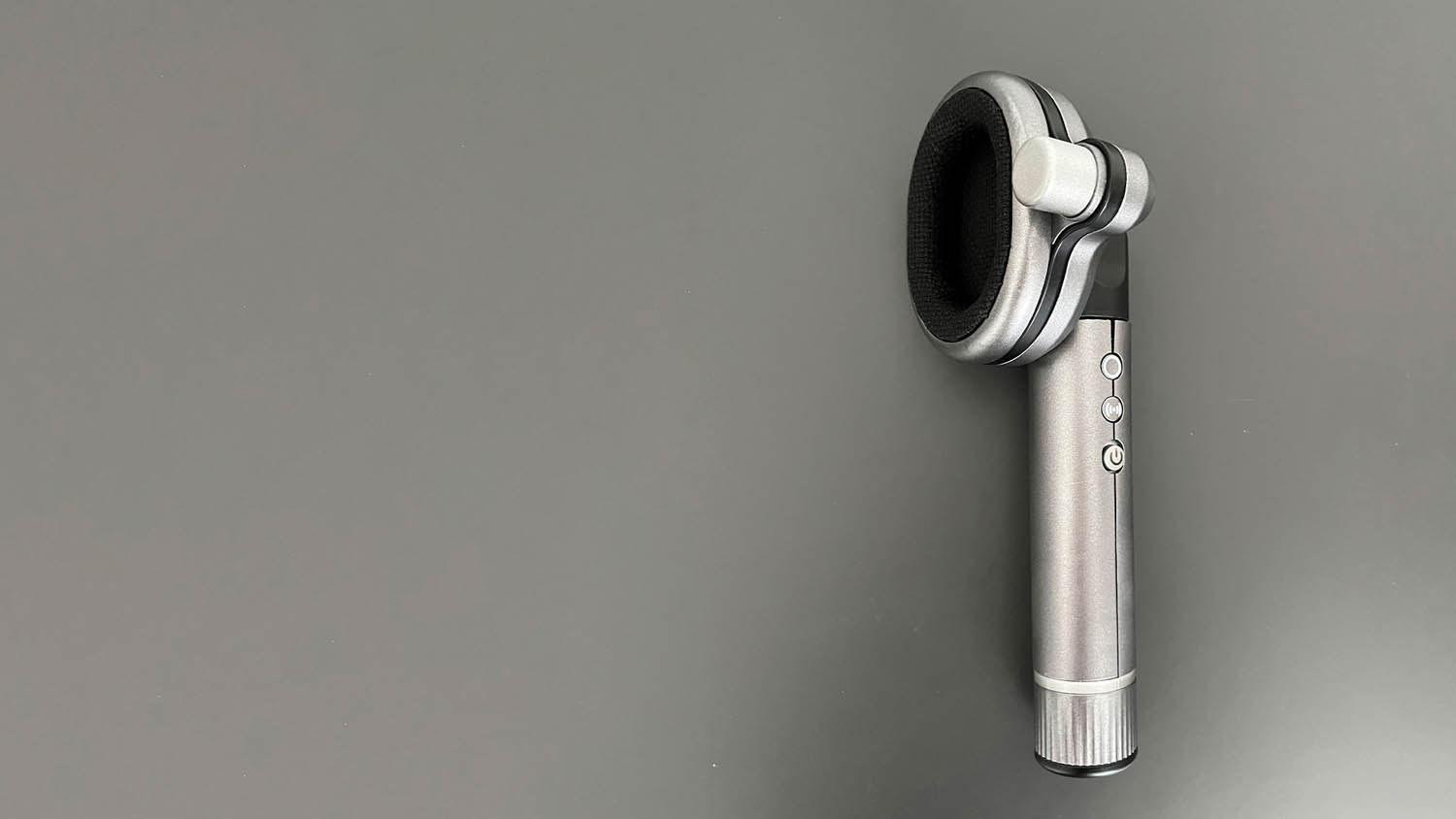
Auri is designed to act as an early warning system for hearing loss among workers exposed to dangerous noise levels, in environments where up to 50% of hearing loss cases might be prevented with earlier detection.
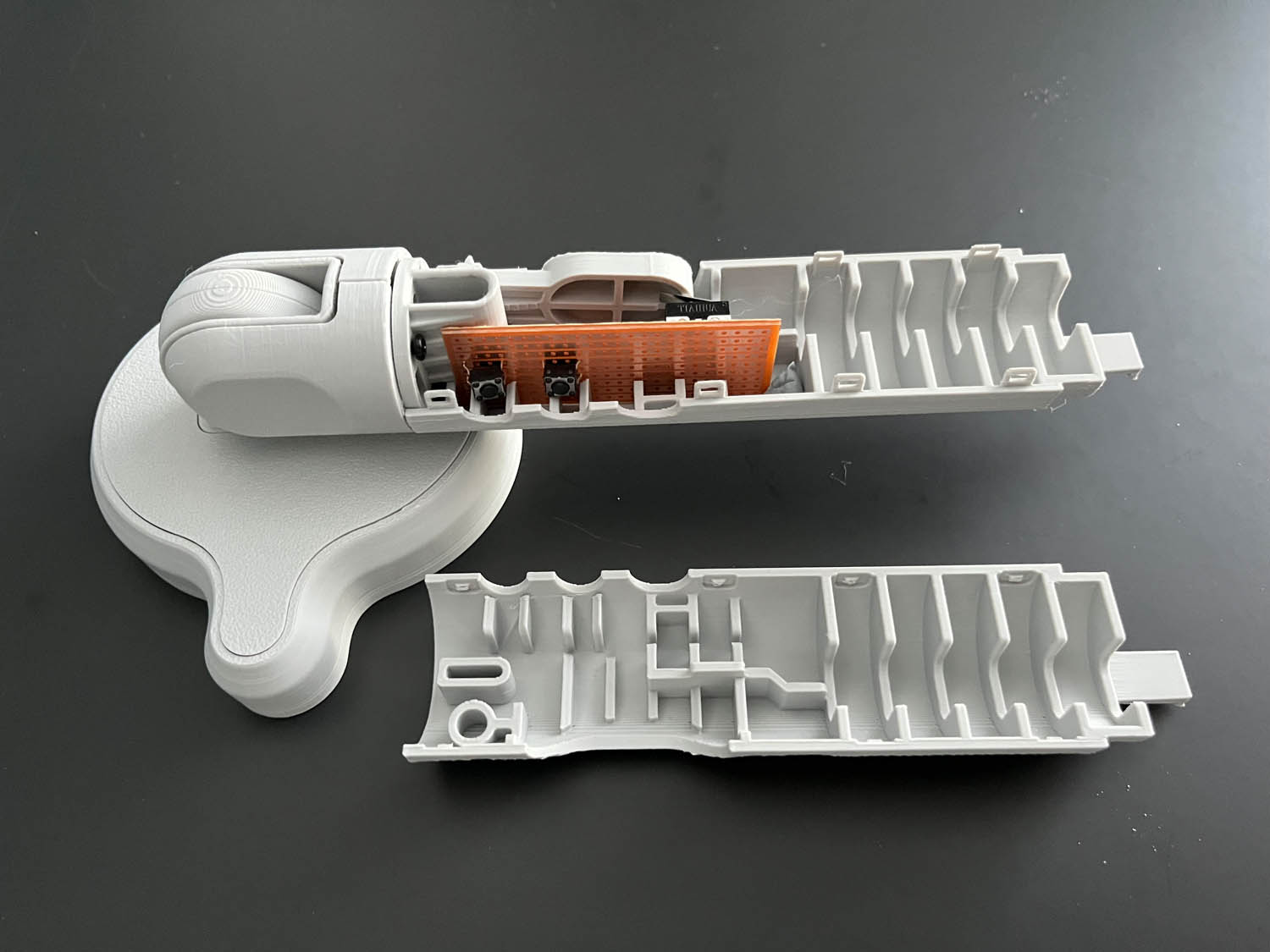
The handheld device identifies issues before they become permanent using two standard industry tests: pure tone audiometry and bone conduction.
Having first consulted professional audiologists, Luke Fone identified a routine pain point in existing processes – taking time away from the workplace for testing – and set to work on initial concepts for a device that could be used quickly and safely on job sites.

Modelling the project in Solidworks allowed him to build a working prototype with a 3D-printed casing, electronics, software and flip-over ear cups that enable Auri to test both ears comfortably. KeyShot renders helped him explore form and aesthetics, culminating in a final physical CMF model and a cutaway display demonstrating the internal layout and DFM considerations.
“Seeing a product come to life and actually work is an incredibly rewarding experience,” said Fone. “Receiving positive feedback from professionals and the target user group made the experience even more rewarding, and it reinforced how meaningful and impactful a career in product design can be.”
www.linkedin.com/in/luke-fone
Louis Pilkington – University of Sussex
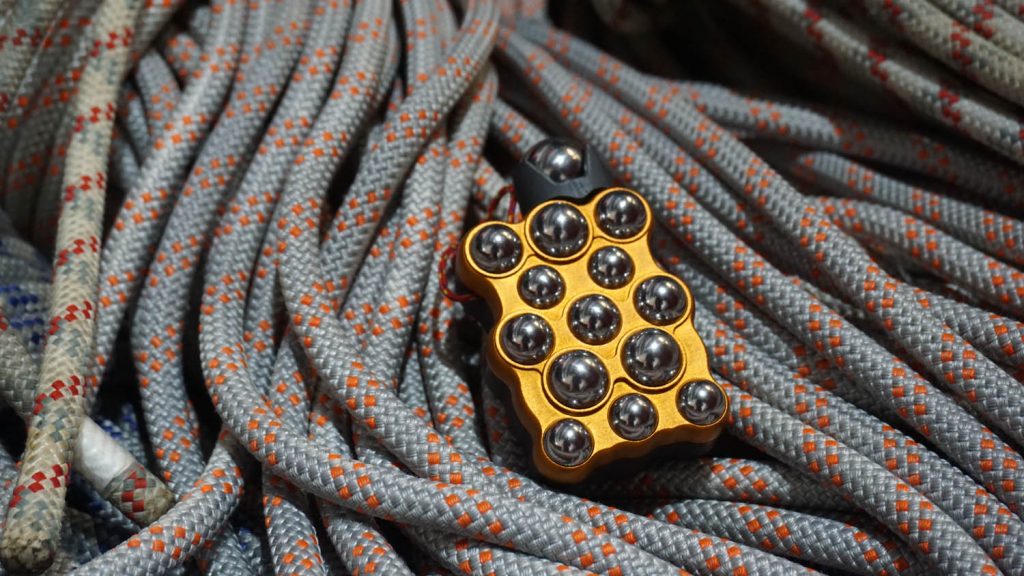
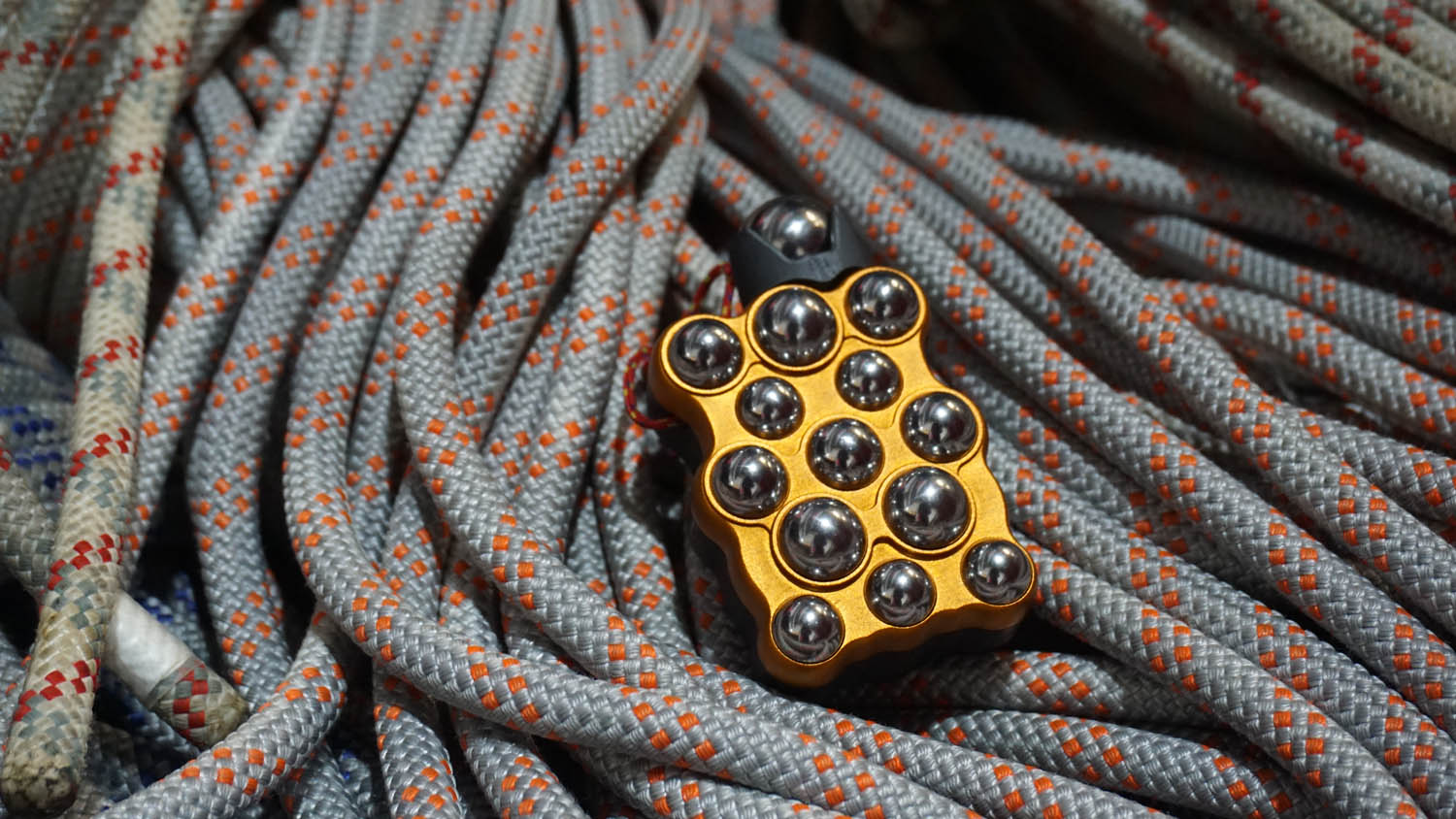
Ibex is a response to both the growing popularity of grip-intensive sports such as bouldering and jujitsu and the boom in recovery products. One-quarter of all sports injuries affect the hands and forearms, but existing tools designed to aid in their recovery are often unsatisfactory.
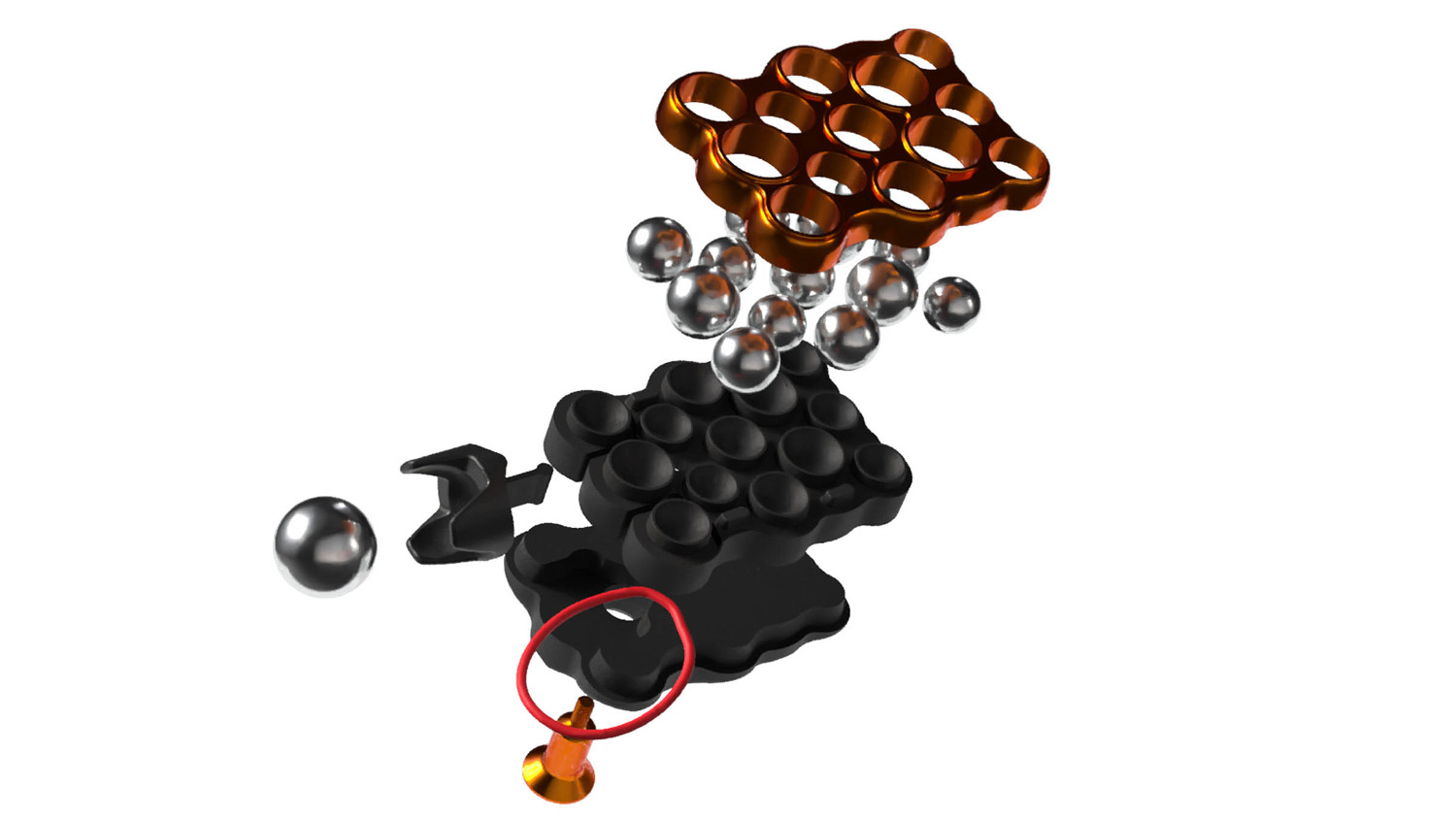
After wading through science papers, Pilkington settled on a tool that incorporating temperature change with rotating steel balls to safely massage tissues.

From early on in the project, Pilkington dived into 3D-printed and CNC-machined physical prototypes that could test ball positioning and sizes, fitted in a matrix calculated using measurements of muscle sizes, distance between tendons and the depth of reach required for effective muscle stimulation.
Thermal expansion made material choices important. Aluminium 6082 was chosen, which can also be anodised like climbing hardware, while the handle is cast in the same polyurethane as most climbing holds, adding a sense of continuity to the CMF.
A round of funding from the University of Sussex helped the prototype to be destructively tested, with the results leading to an overhaul of certain components. The resulting product fits easily into a climbers’ bag, its portability and effectiveness making it a pleasure to use.
www.linkedin.com/in/louis-pilkington-a10882348
Scott Rutherford – Edinburgh Napier University
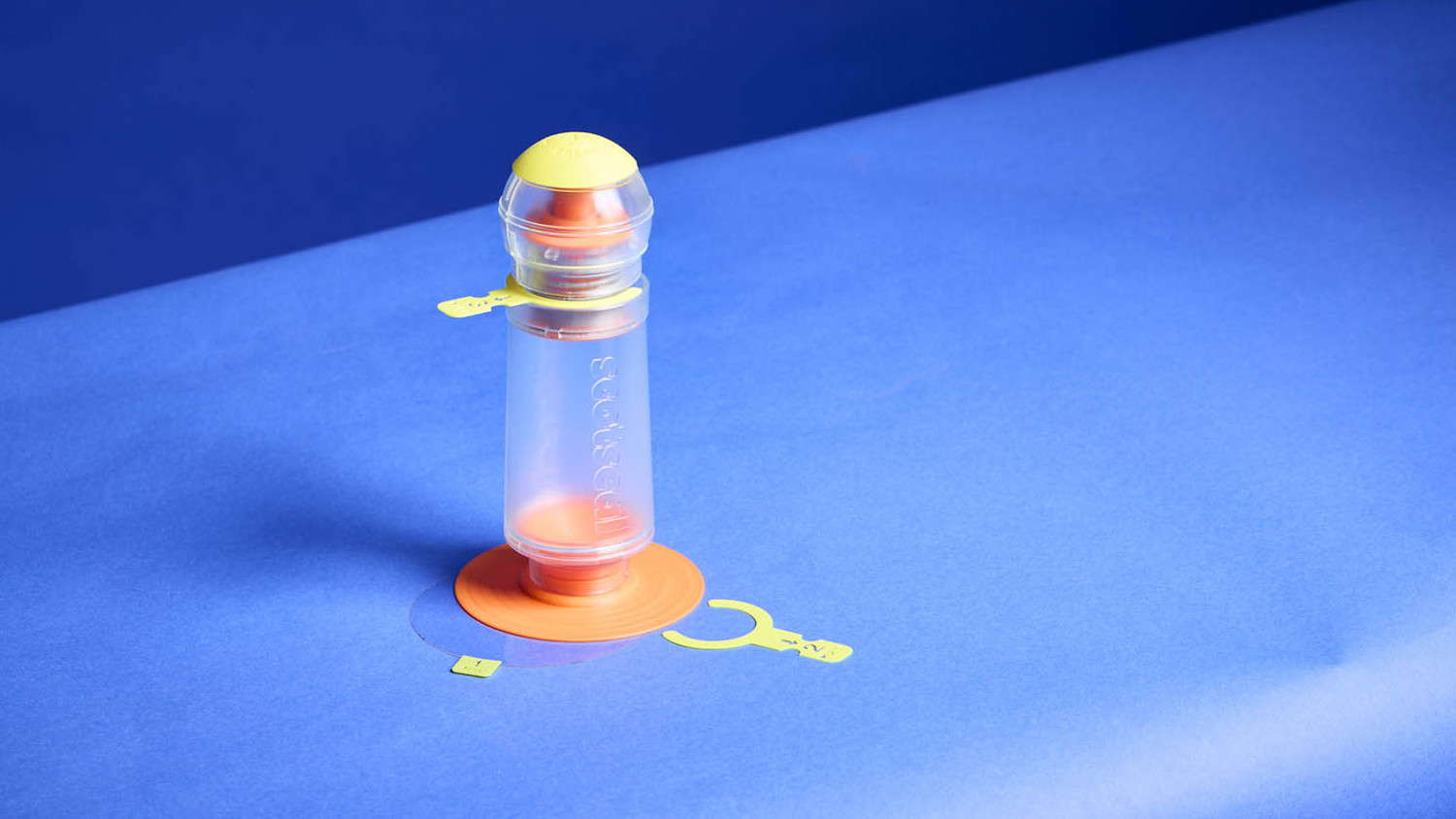
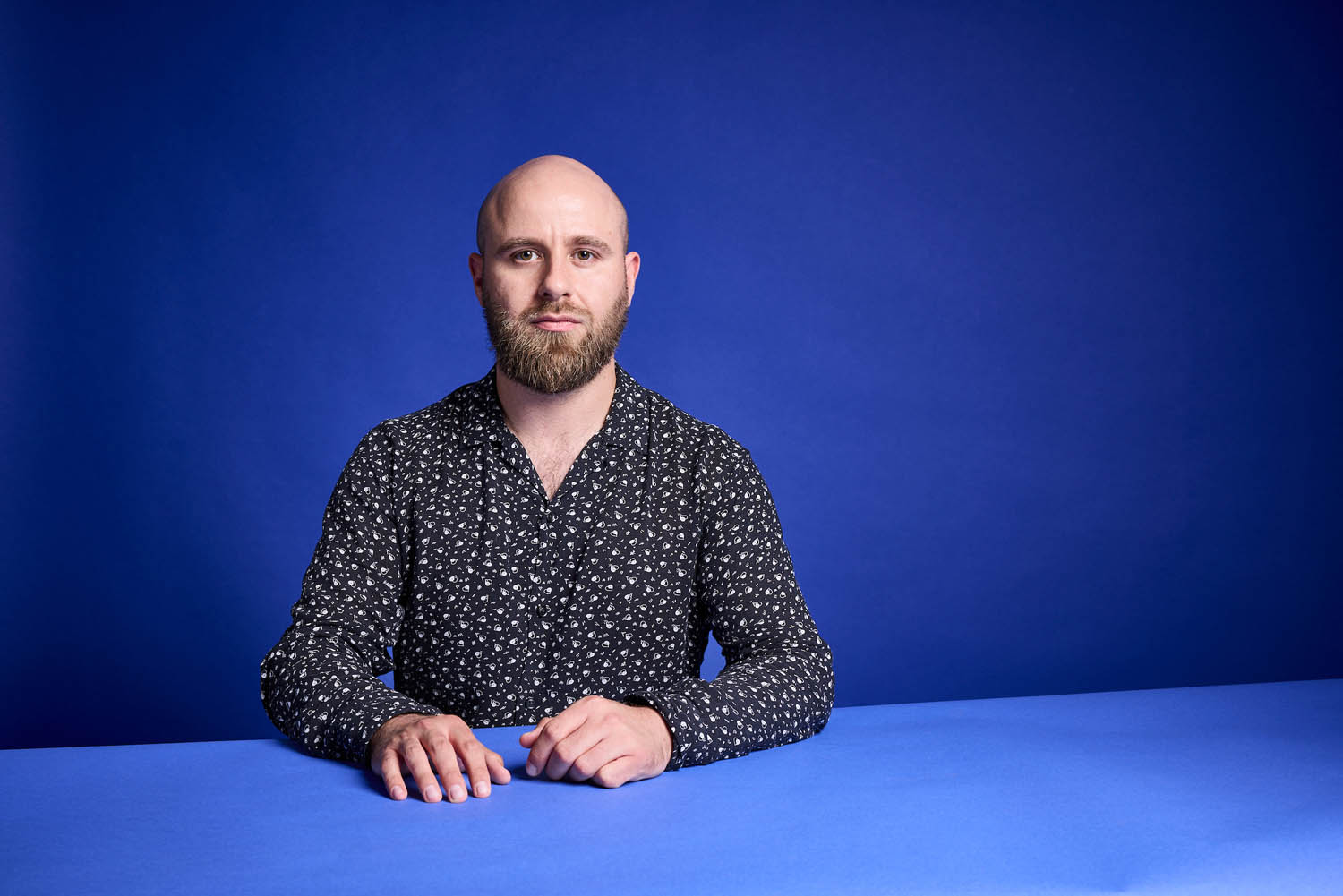
Blood loss in road traffic collisions is a leading cause of preventable death. Scotseal aims to give the general public a tool to tackle ‘bleeding out’, which can claim a life in as little as three minutes, after Rutherford’s research with paramedics and fire service personnel showed that existing methods can be effective, but only in the hands of people with both training and experience.
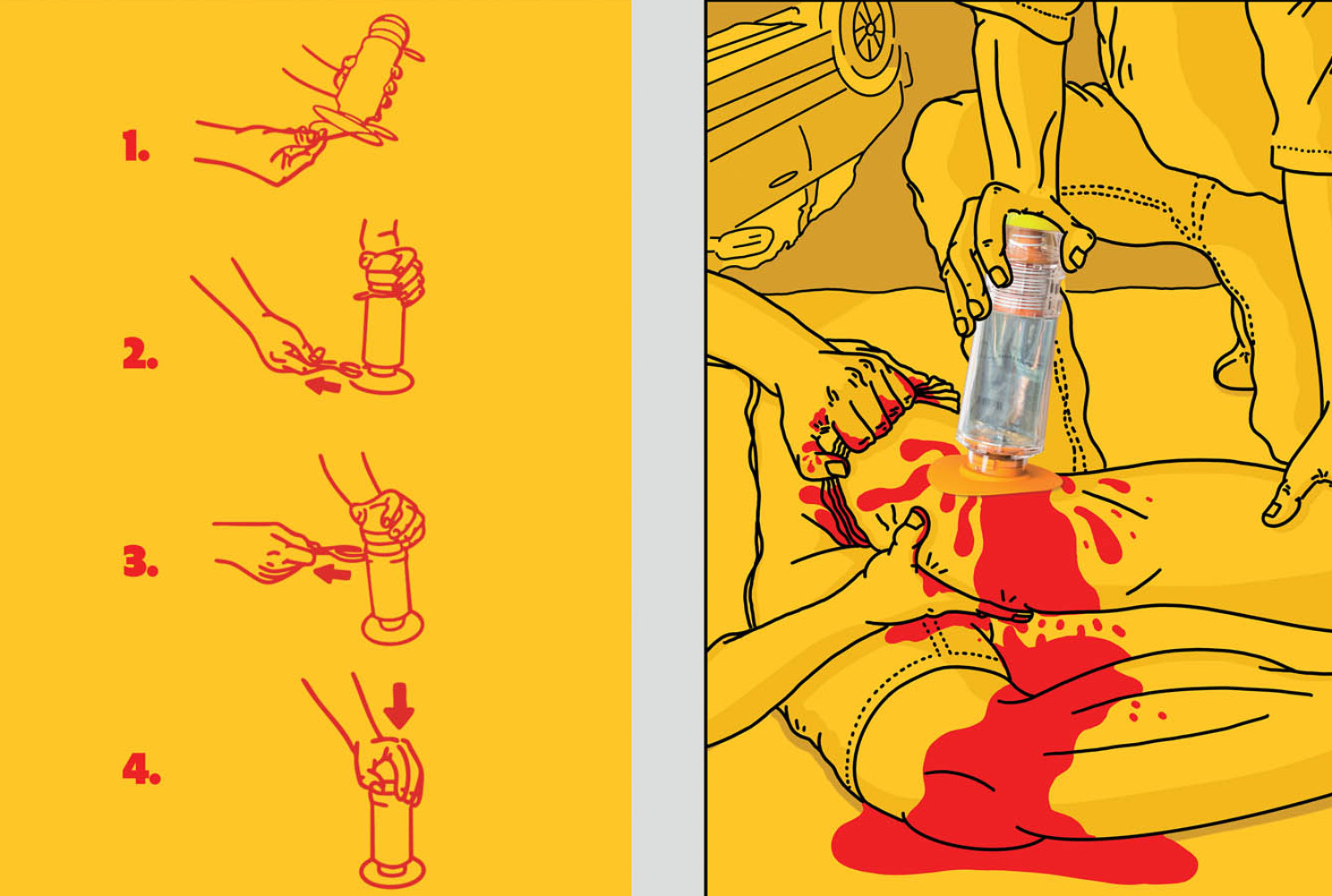
Multiple concept models and sketches formed the early stages of the process, developing a fast effective way to ‘pack’ wounds that can vary greatly in size and depth. Having narrowed his ideas down to three concept mechanisms, Rutherford used Autodesk Fusion to create the housing and then 3D-printed the forms. Blender was then used to help visualise the final outcomes in chosen materials.
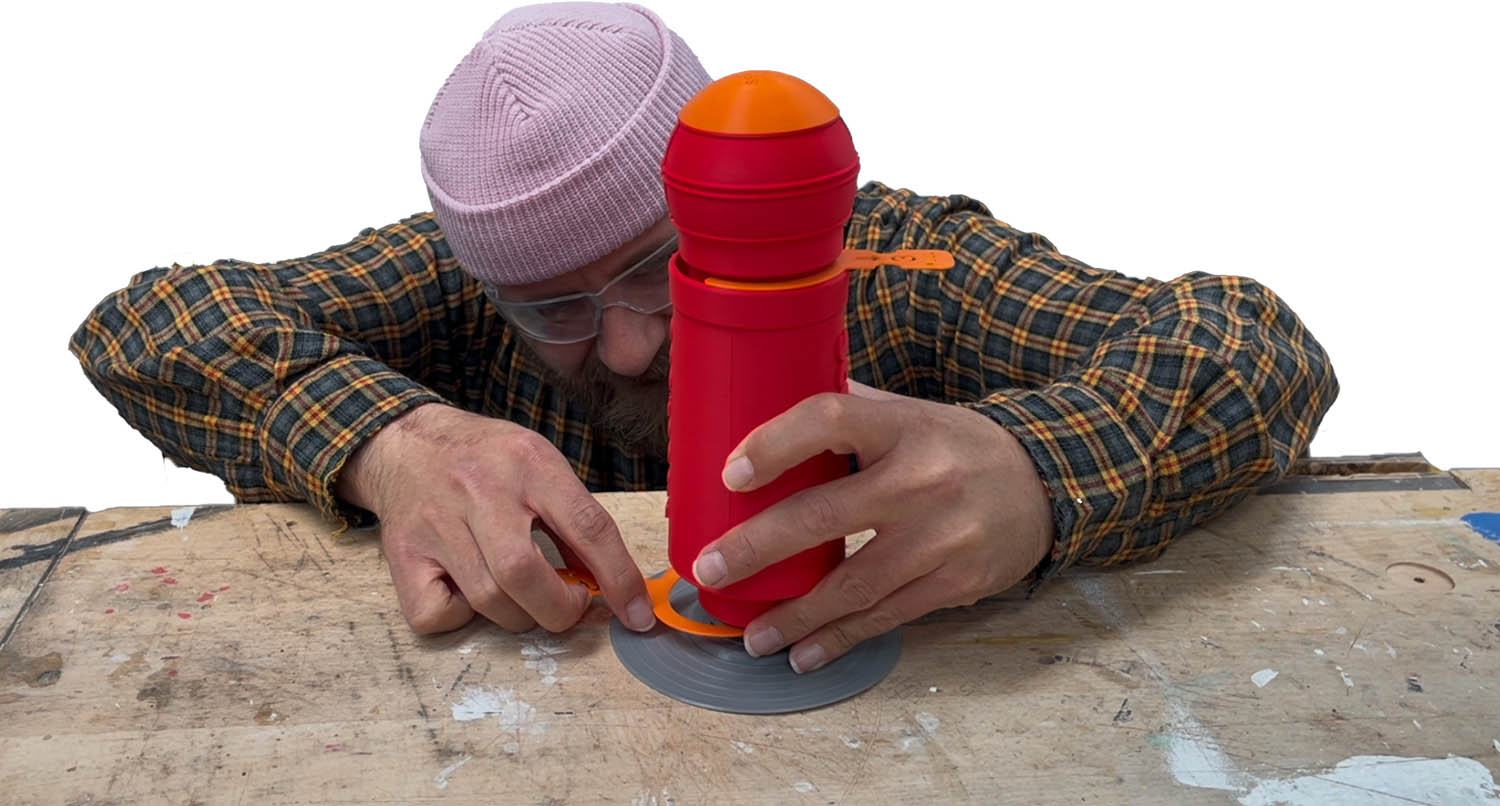
The end product attaches a ‘pod’ over a wound that expands with equal pressure in every direction, mimicking the exact shape of the wound to compress ruptured vessels and stop blood escaping. “I am most proud of how simple the final outcome of operation is for the user,” says Rutherford. “Once the device is in your hand, it can be applied in four simple steps, in only two to four seconds.” www.linkedin.com/in/scottmakesdesigns