
Kyrall has announced the launch of its new AI-enabled CAD modelling system that turns engineering data specs, requirements and sizing results into parametric, manufacturable 3D models in minutes.
By prompting Kyrall the company says that designers can generate functional assemblies based on in-house engineering knowledge, while ensuring design intent is captures and best practises are all carried out within the software.
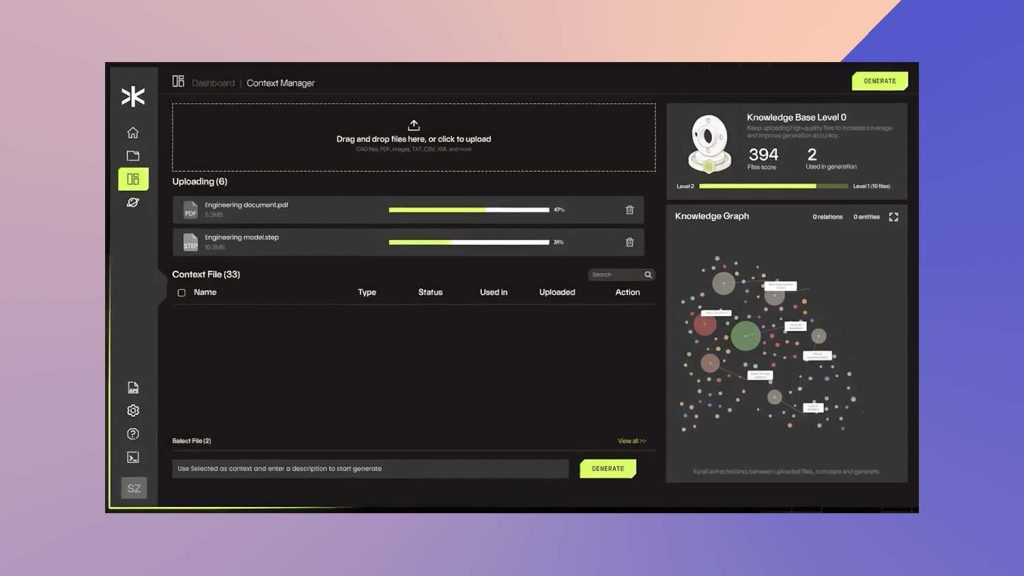
Key to this is Kyrall’s Context Manager, an engineering data repository that grounds Kyrall’s output in the users files instead of a single prompt.
Users are able to upload specs describing a part’s geometry, constraints, design rules or industry standards, from which Kyrall generates directly from this data, checking against your input and staying consistent with how your team works.
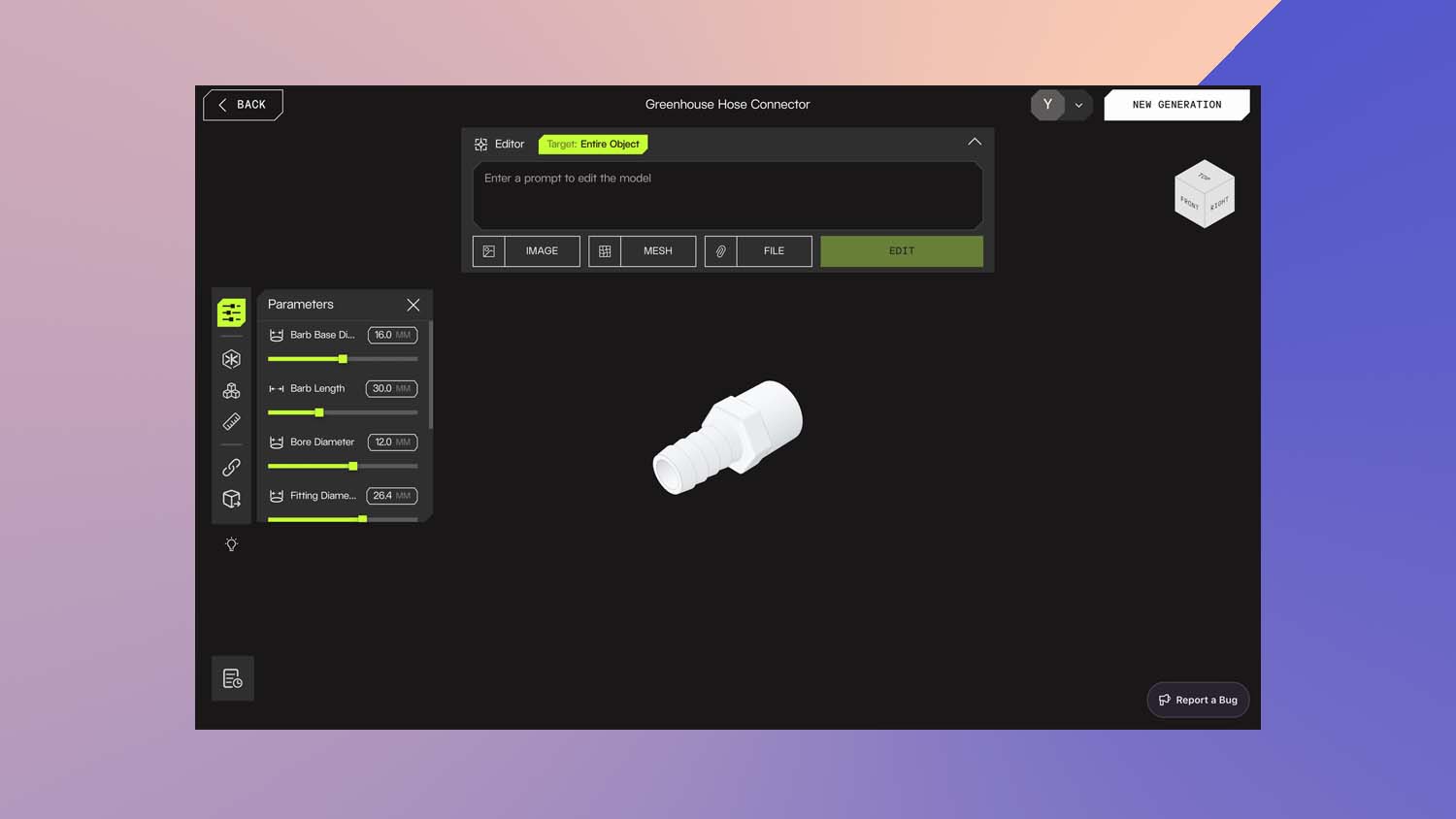
The output allows the user to adjust dimensions and refine parts in real time, before the model can then be exported as GLB, STL or STEP files to bing parts into CAD or to go straight to manufacture.
Alongside the Context Manager, the new release includes an updated UI, an API for teams who want to build on top of it and faster generation performance that has been tuned through months of testing.
“Until now, mechanical design has been purely a manual process,” said Kyrall co-founder Osama Atwi. “You open a blank file and build every part from scratch. And one complicated part can burn a whole week; that’s your best engineers spending their time and work a machine should be doing.”
“With Kyrall, you don’t have to model parts by hand. You describe what you need, and it designs the 3D model for you. And the more context you give it, the more it designs your way. Feed it your specs sheet, your past parts, your design process, and Kyrall turns them into a knowledge graph that is used to design the part. With that, design intent and best practises can be embedded in the assembly directly.”
“The next generation of engineers won’t spend years mastering manual design. They will describe what they need, bring in the context, and the system will build it into a fully designed part that can be manufactured.”