
KTM cut down nighttime motorbike headlight testing with a new simulation from rFpro, learns Gabrielle Brown
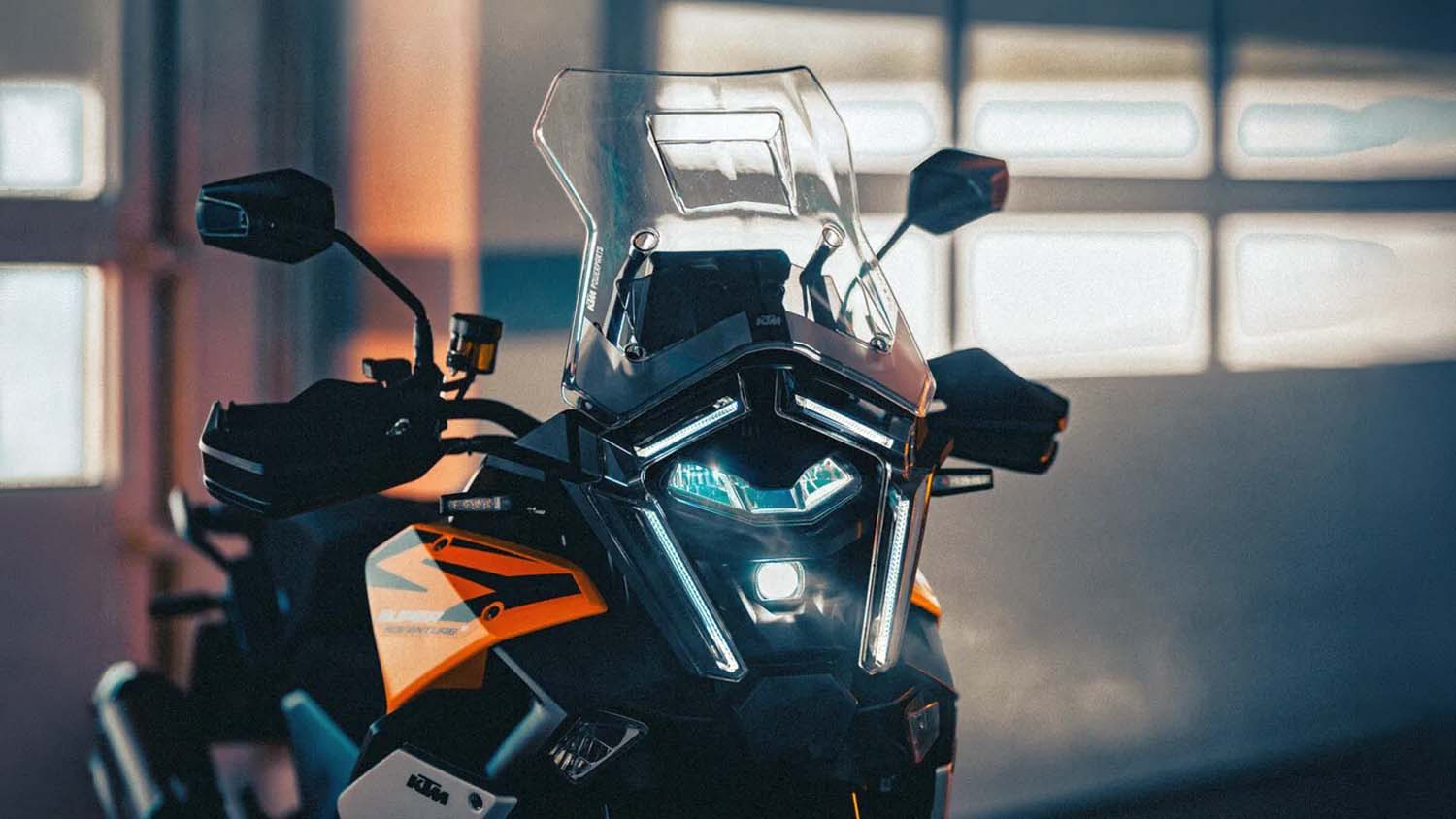
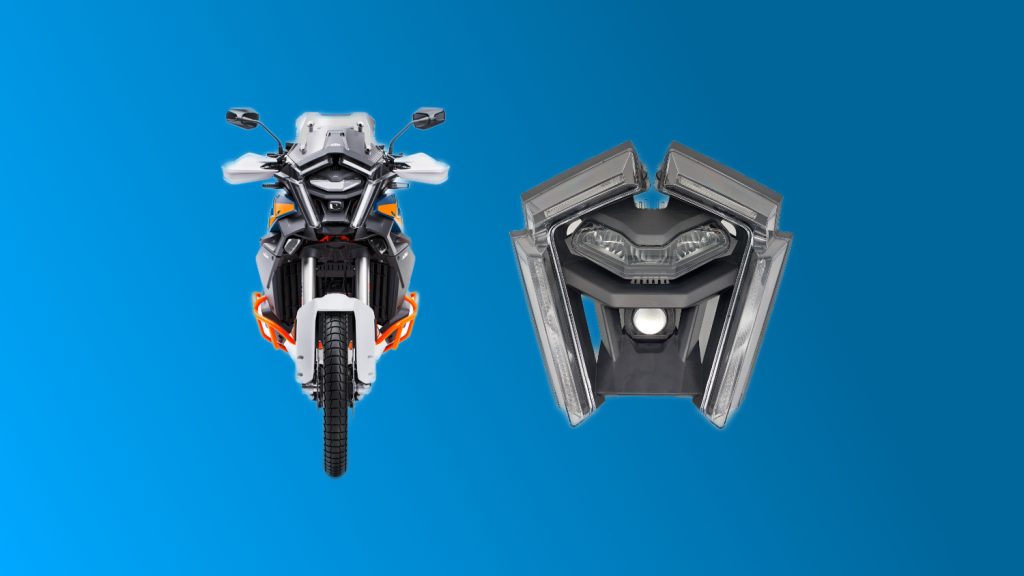
When it comes to motorcycles, where the rider is exposed to the elements, winter and night testing can be unsafe. By shifting more of the headlight development process into simulation, KTM have reduced its reliance on real-world night driving, which can be time-consuming, costly and constrained by safety and environmental factors.
UK-based rFpro has helped develop simulation environments for the automotive and motorsport industries, including KTM, for the development and testing of autonomous vehicles, ADAS, vehicle dynamics and human factor studies.
“Motorcycle headlight systems are becoming increasingly sophisticated, particularly as adaptive and matrix technologies move into production,” said rFpro development director Nick Harrison. “The combination of complex vehicle dynamics and advanced control software makes early development and validation essential.”
Using virtual reality headsets, the development team use a digital twin of a public road near its factory in Mattighofen, Austria, to test designs from the rider’s perspective.
The road surface model is accurate to 10mm in the horizontal and 1mm in the vertical, and headlight performance can be reviewed both statically and dynamically, considering full vehicle dynamics, including pitch, roll and lean.
If the vehicle’s lean angle when taking a corner means pulling out into oncoming traffic with high beams, it can place greater demands on both hardware design and control strategies.
With the increasing adoption of adaptive LED and matrix-style headlights on motorcycles, systems must account for lean angle and pitch and dynamic movement, alongside inputs from cameras and multi-axis inertial measurement units.
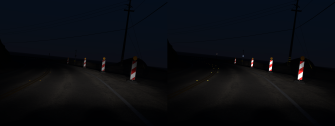
Every material in the simulation is assigned accurate physical definitions. When headlight beams strike road infrastructure, such as cat’s eyes, traffic signs, or road markings, the light reflects exactly as it would in the real world back to the rider.
Recent software updates have improved night driving headlight simulation and include HD lighting mode to deliver higher fidelity simulation data.
By adopting rFpro’s simulation to develop, test and evaluate, KTM has been able to put headlight performance in the spotlight before real-world prototypes have been made.