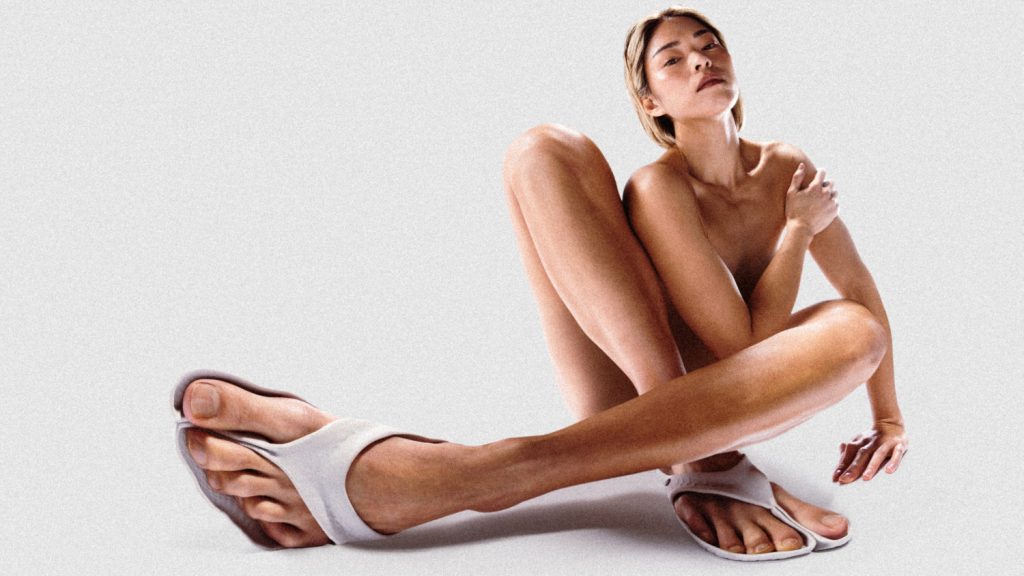

Vivobarefoot is a footwear company with a difference, prioritising foot health and embracing new 3D printing materials in its mission to always deliver the optimum fit for both the wearer and the planet, as Stephen Holmes reports
No two human feet are identical. Depending on your height, weight, past injuries and any deformations caused by wearing shoes too narrow or too small, your feet have been shaped as much by your lifestyle and environment as by your genetics. It’s also entirely normal for your left foot to differ from your right foot in size, shape or flexibility.
With that in mind, the idea of two people finding the same pair of off-the-shelf shoes equally comfortable – even if they wear the same size – seems pretty unlikely.
There are also issues around footwear manufacturing to consider. Shoes are most often mass manufactured using labour and resource-intensive processes in one location, and then shipped around the world, stored and sold to consumers in other geographies in ways that eat up even more fuel, power and storage space.

Asher Clark has been working to tackle these issues since 2012. A footwear designer and shoemaker by trade, he has primarily focused on creating feet-first options. In other words, his designs aim to benefit a wearer’s natural posture, coordination and strength, while stripping back bloated and wasteful supply chains.
“If aliens came down from outer space and decided to make shoes for humans, I’m telling you for a fact that they wouldn’t go to China, throw loads of cheap labour on a complex supply chain using subtractive processes, making loads of waste on products that don’t fit feet and end up in landfill,” he says. “How we are making stuff is just absolutely archaic.”
Co-founder and chief design officer of Vivobarefoot, Clark believes that sustainable production is not just a better option for the planet, but also for creating products that support human health. “Literally, the less shoe you make, the better it is by default for the planet. You’re using less ‘stuff’ and the closer you get to the barefoot condition, which is obviously what we sign up to as a proxy for healthy movement.”
The purest incarnation of this philosophy is seen in Vivobarefoot’s latest line, VivoBiome, the company’s footwear platform for bespoke, minimalist shoes, digitally designed and manufactured to truly mimic barefoot movements.
Great design is simple design, Clark says, adding that it’s really hard to ‘design simple’ in footwear. As regular launches of new running shoes amply demonstrate, it’s just so tempting to throw all the bells and whistles at a product in an attempt to make it stand out in a crowded field. He highlights the tension between designing products for the new VivoBiome line, compared with designing them for the main Vivobarefoot product line, which balances more conventional styles while maintaining elements of the ‘feet first’ ethos.
As a brand, Vivobarefoot has built a loyal following for its foot-first, technology-forward designs offering flex and fit that mimic the barefoot behaviours of our foot bones, tendons and muscles. But with all of our feet so different, the ideal is a one-of-one bespoke design that sits completely at odds with mass production.
“I spent the best part of 15 years all over Southeast Asia, building our supply chain and product, and trying to make barefoot shoes as sustainable as we could make them,” he says. Ultimately, he adds, it became clear that the best way would involve additive manufacturing.
Adding additive
When DEVELOP3D last spoke with Clark back in June 2016 this plan was in its infancy and starting to take shape – but it’s only recently that advances in 3D scanning, CAD and 3D printing technologies have really come together to fully support the vision.
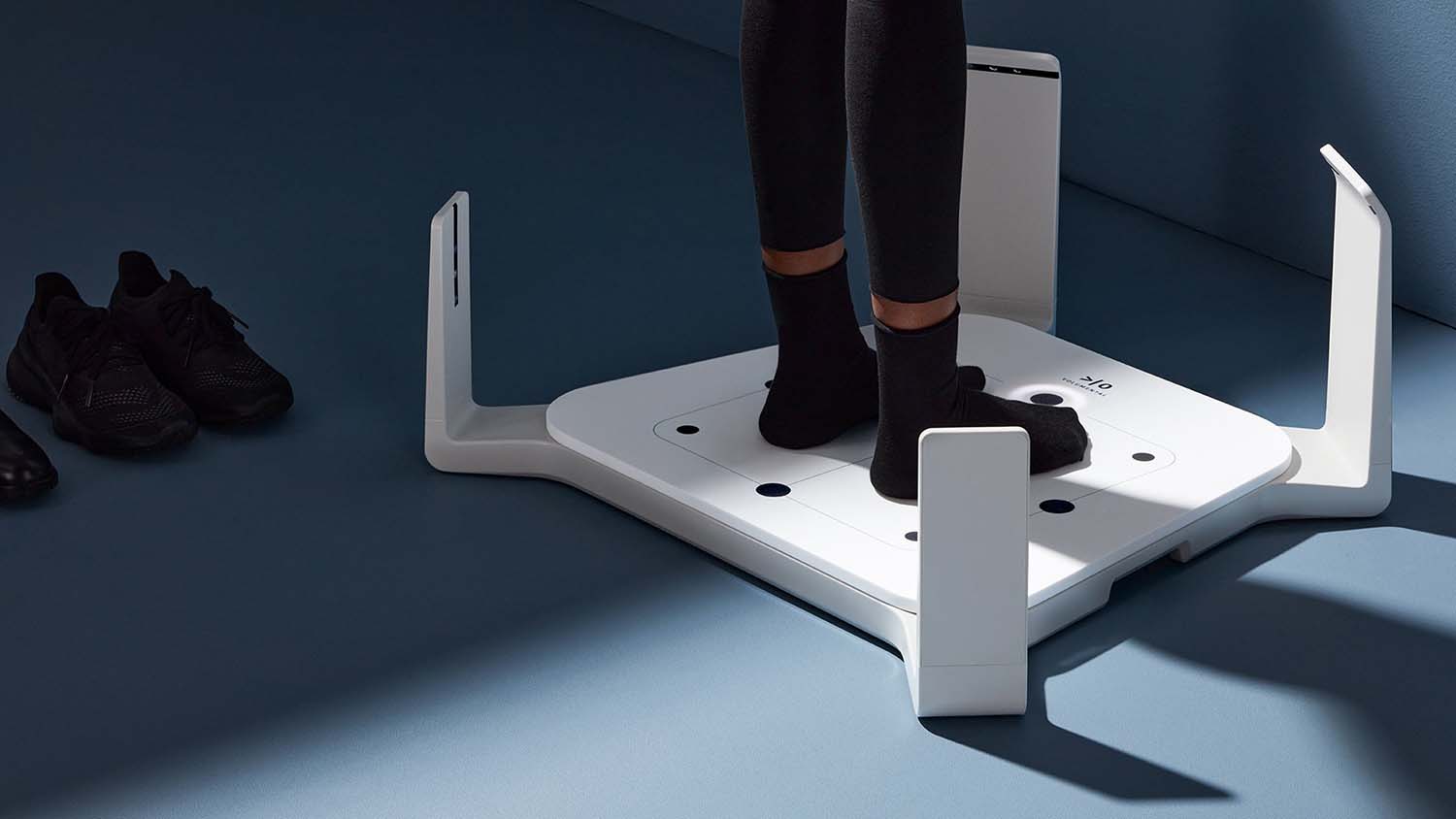
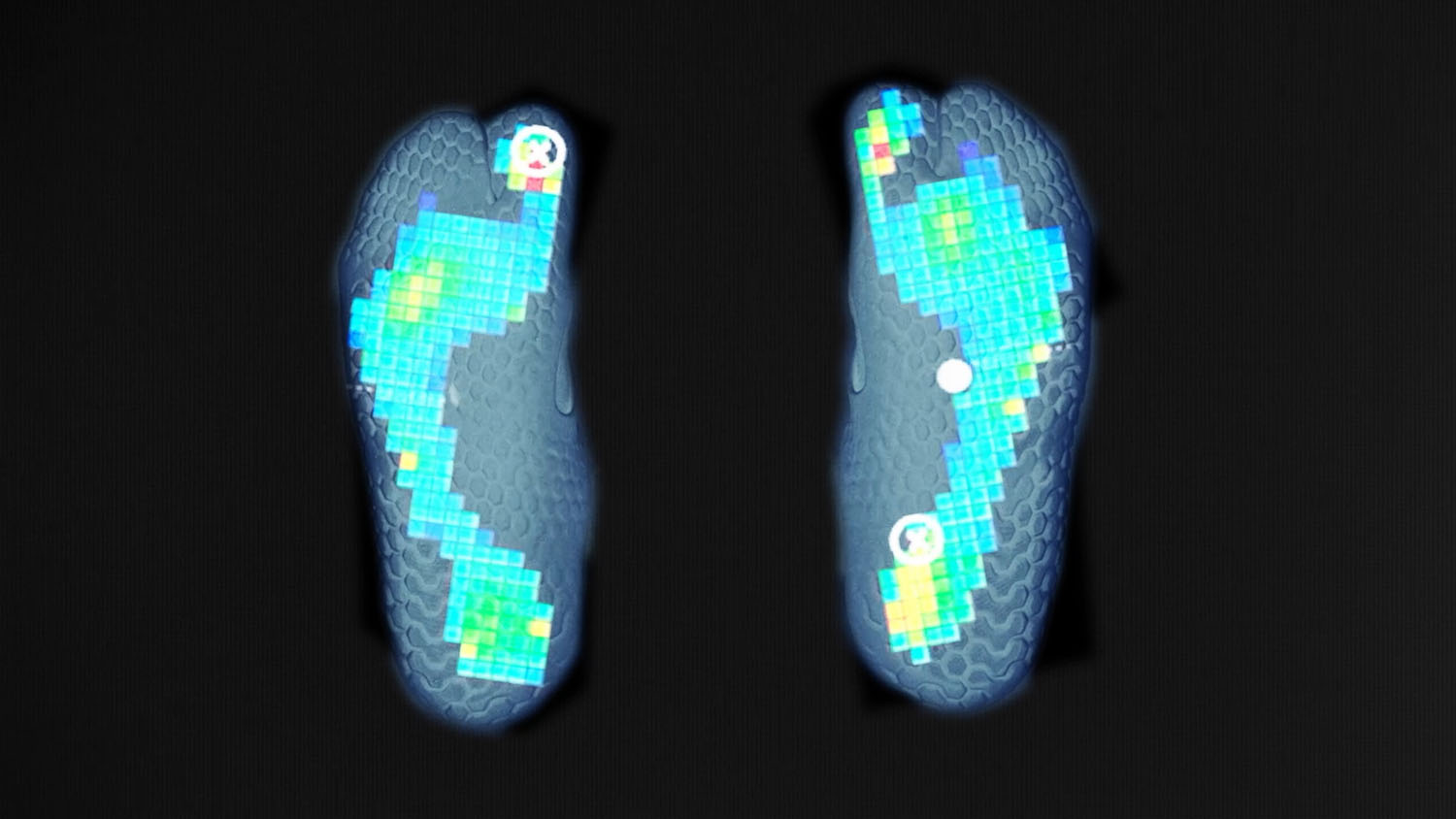
“I stood on my first Volumental scanner in 2018, scanned my feet and asked the guy at the trade show to give me the CAD geometry,” he recalls. He took that model back to China, made a last and then a fitted sock, quickly designed an outsole and stuck it all together. “I thought, ‘This is it. This is how we need to make the product.”
What he had in mind was getting customers to scan their feet using a mobile phone app, sending the data to China for manufacturing and then delivering the products directly to the consumer – but numerous obstacles stood in the way. Mobile 3D scanners were not accurate enough. The geometry of 3D models still needed to be massaged to create offsets. Manufacturing still involved too many manual stages. Reliable and rapid global shipping was far less established than it is today. Fast forward to 2026 and the process conceived for VivoBiome is taking its first, tentative steps and Clark is closer than ever to achieving his goals with the launch of the Vivobarefoot Tabi Gen 02.
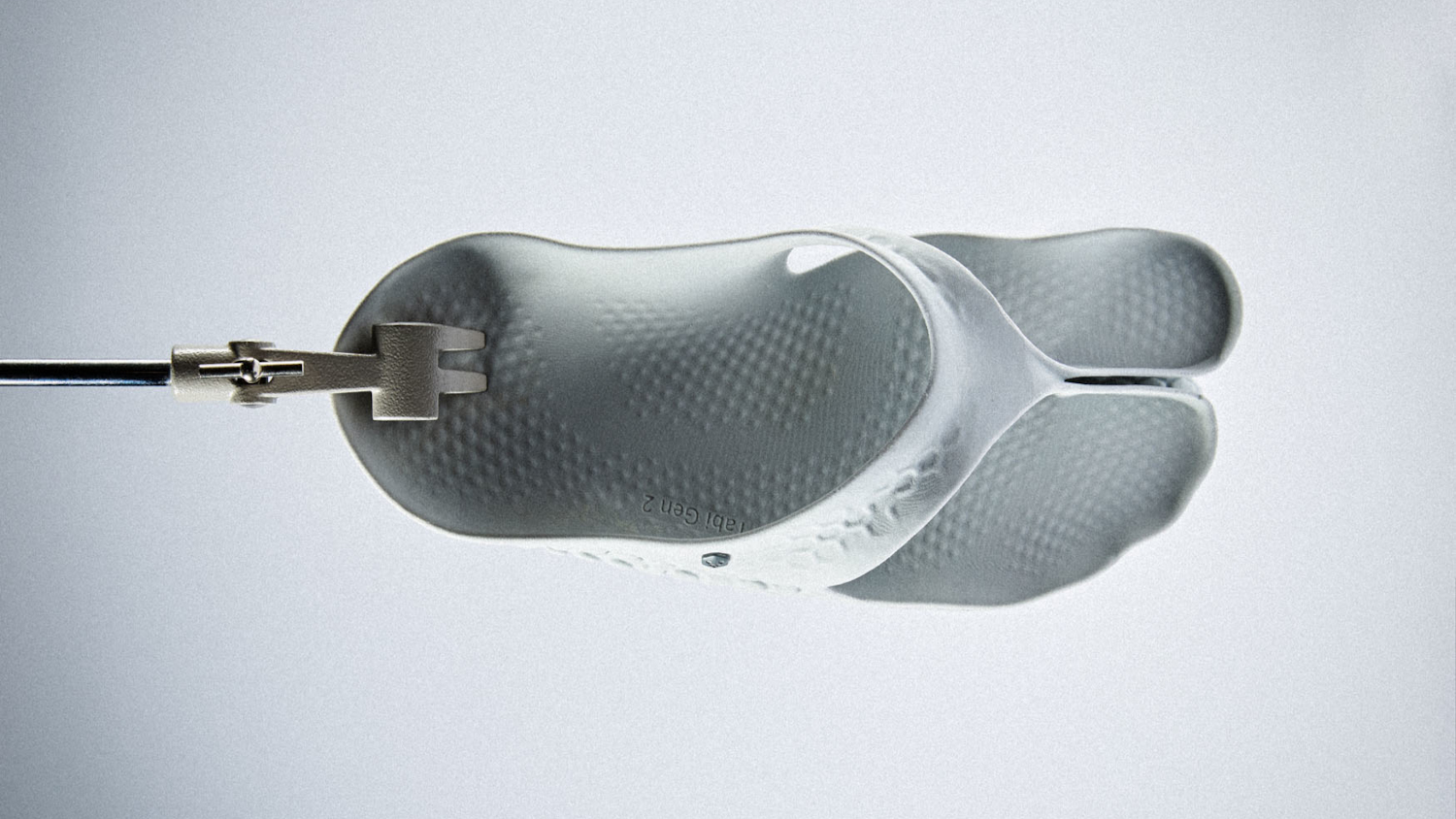
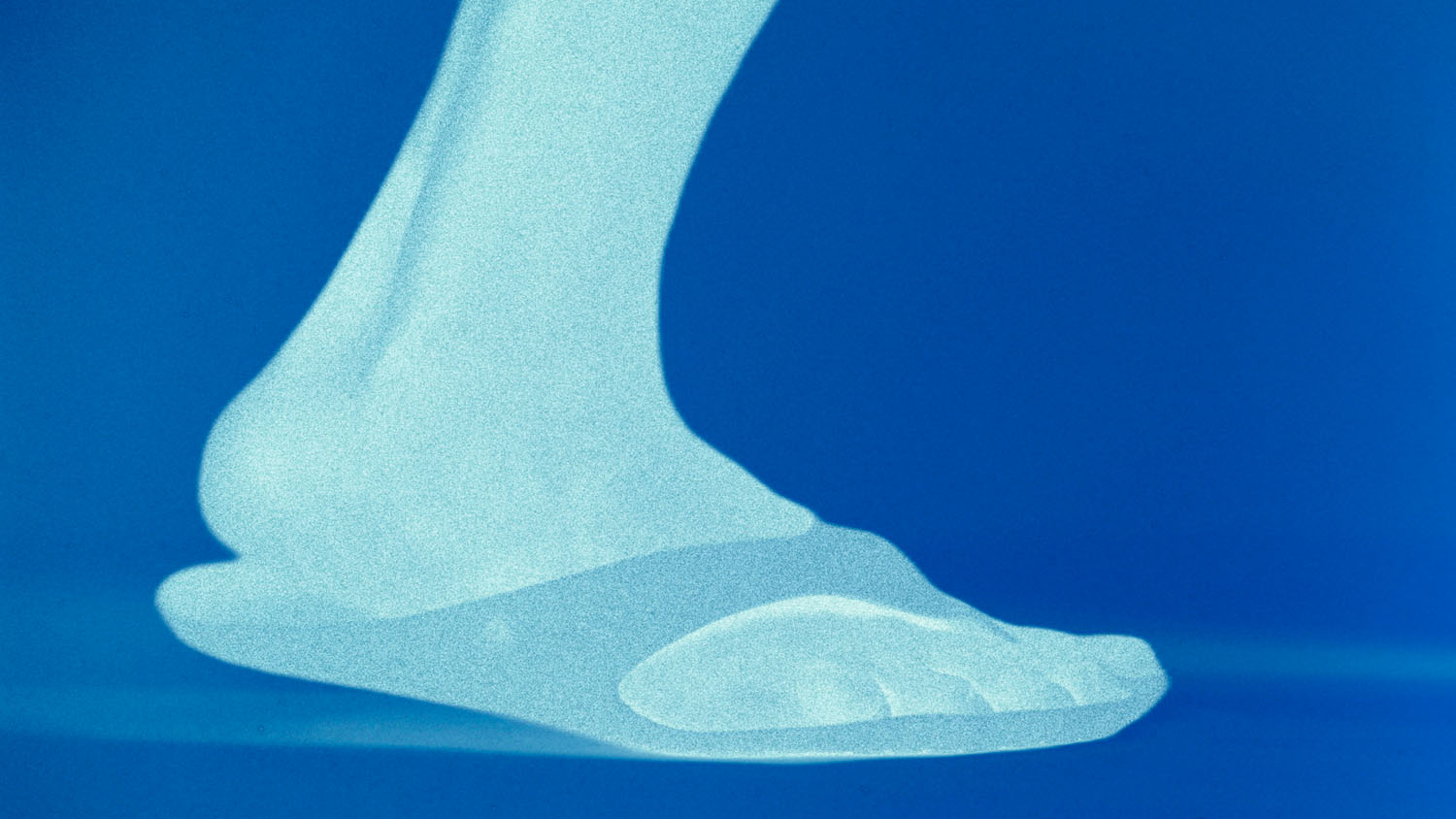
While the Tabi Gen 02 may look like a sandal, that wasn’t the initial design intent for the product. As Clark explains, the aim was to create the least amount of shoe possible to still give the foot protection. With the bespoke approach, what has been achieved is a truly form-fitting design that makes a simple strap capable of holding the whole shoe on the foot without needing other supports – or indeed, any kind of upper.
“The split toe bit gives you the medial and lateral kind of cutting control, so you don’t slide out of it. And that enables the big toe,” he explains. The largest digit on our foot is crucial for natural movement and our kinetic chain, he continues. That’s why the power in a boxer’s punch power originates in their feet.
“The big toe bone is a key player in gait, power and movement. It’s seven times as dense as any other bone in your body, and that toe flexor goes all the way up – up under your foot, into your plantar fascia, up your Achilles tendon, all the way up [the lower leg], and is the power generator.”
Sticky start
The new design is similar in form to its predecessor, the Tabi Gen 01, which launched in May 2025 but was beset by problems throughout its production, says Clark. Vivobarefoot worked with Chinese 3D printing company Farsoon and high-tech polymers developer Covestro to develop a brand new SLS 3D printing material that was softer, more compliant, but still durable. From there, Clark and the team then worked alongside a partner in Ireland to get printer parameters to function.
Ultimately, however, Vivobarefoot couldn’t hit the optimum quality and price point that would allow it to scale. In particular, limitations when it came to postprocessing automation for SLS resulted in a sticky, messy production process requiring significant manual intervention and resulting in footwear that lacked the high-quality finish expected from a bespoke product. Having already benchmarked existing 3D printing technologies and material with the Tabi Gen 01, Clark feared the project to create its successor may have hit a wall – until, that is, he heard that 3D printer giant Carbon had a new material set to launch alongside its portfolio of DLS 3D printers.
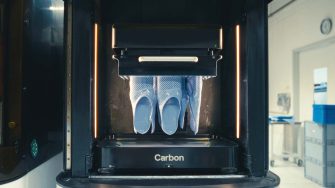
That material, the EPU Pro elastomeric resin, is designed for excellent energy return, all-day resilience and high tear strength. An integrated foaming agent causes the resin to expand during the printing and curing process. End parts are lightweight and offer surfaces that can be tuned from smooth to suede-like.
Vivobarefoot met with experts from Carbon production partner and polymer manufacturing company Oechsler in Germany and pitched them the second generation of the Tabi. Until that point, says Clark, it felt like no 3D printing company on the planet would touch the project, but executives from Carbon and Oechsler felt confident that, with their help, Vivobarefoot could make it work.
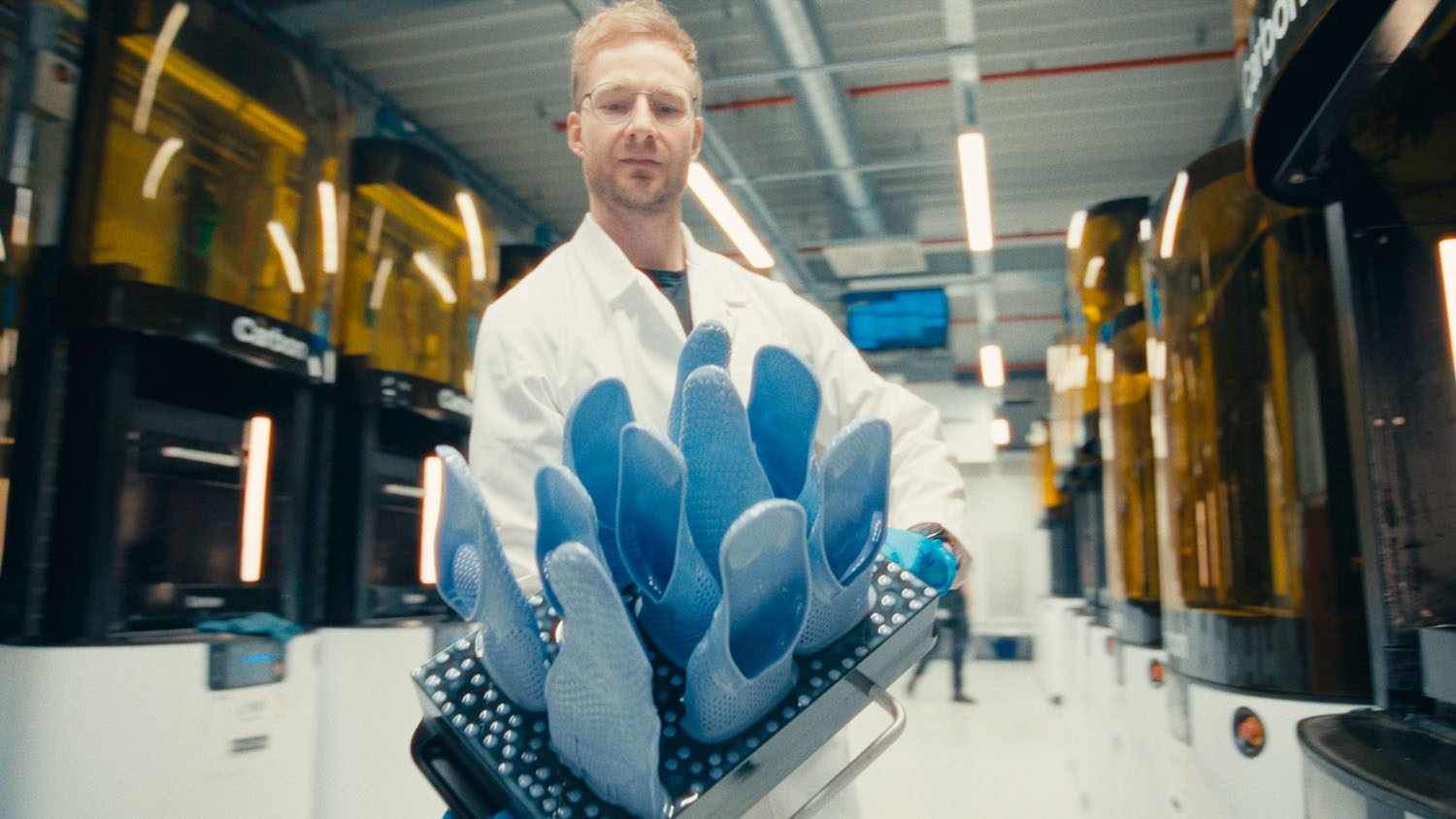
A “brutal process” then ensued, says Clark, in which Vivobarefoot worked for 12 months with Carbon and Oeschler, exploring the possibilities of the new material and developing support structures based on Carbon’s printing parameters. Printing one shoe successfully is fine, he points out, or even three or four – but handling bigger batch sizes, getting it all to work and still maintaining a 100% print success rate was “super challenging”. “
But we’ve got there now, which is massive, and frankly, one of the main reasons why I think Carbon and Oechsler are actually working with us. Because that’s the elephant in the room with 3D printing: unless you’re printing bespoke, you know, it’s not really worth it.”
Pacing the process
The story of the Tabi Gen 02 is a design process systems story more than one of sketched lines of a clean-sheet shoe design.
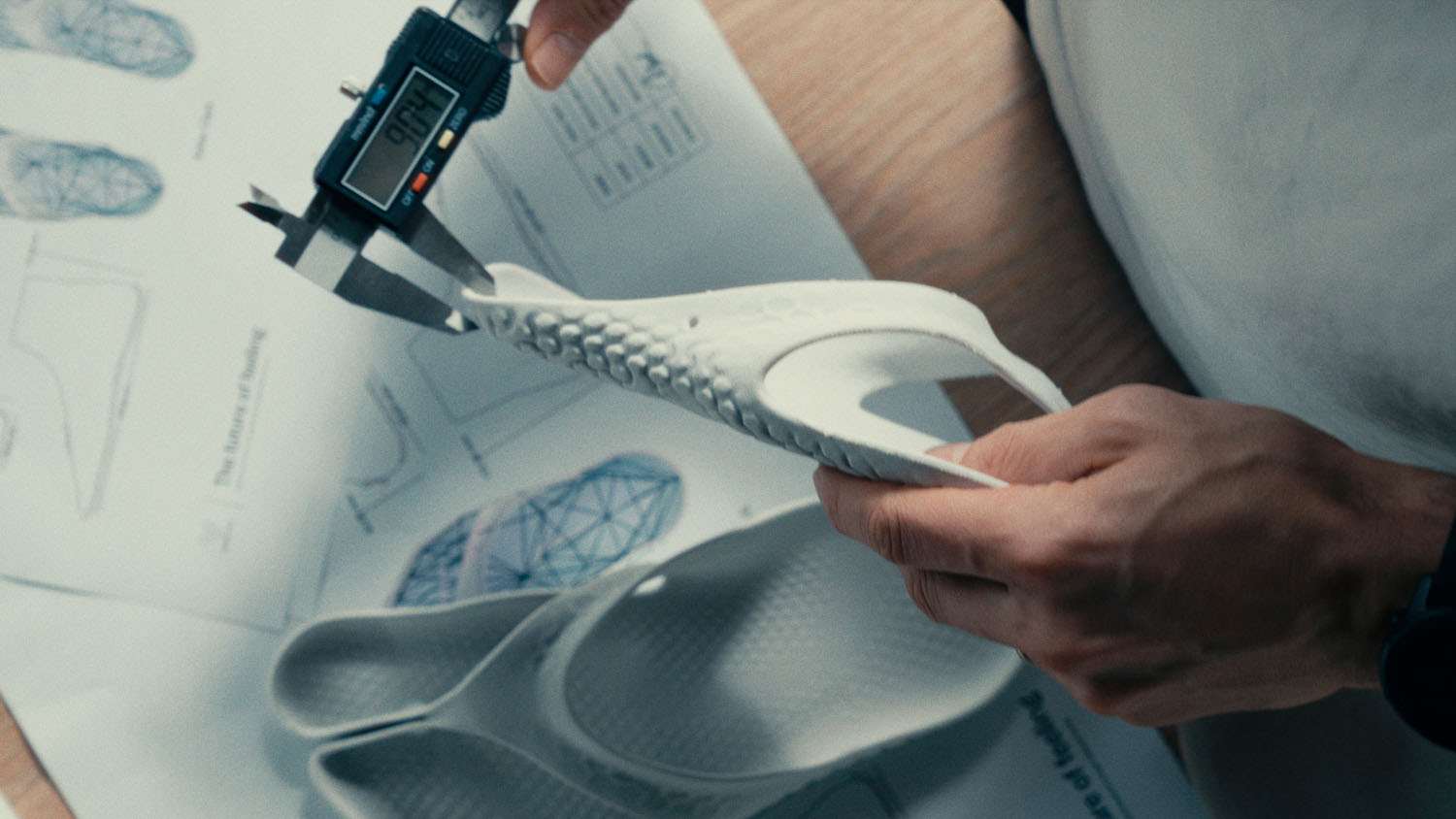
Clark, the team and their partners have built a scan-toprint system that enables them to ingest data – in this case, a scan of a foot – and then orientate it and wrap a design around it. Clark calls this design a ‘computational sock’ and it involves taking a flat bitmap and relaxing it around the foot, so that it doesn’t distort it visually or functionally. That dataset is then turned into a 3D CAD object ready for 3D printing.
The bulk of this work is performed using Rhino 3D and Grasshopper to build the CAD model for the sandal and then automate its editing of each individual foot scan in CAD, which provides a combination of bitmaps and voxels.
The support structures needed to produce each sandal, meanwhile, are as custom as each design. This is achieved using proprietary coding in Grasshopper to automatically grow the necessary support structures for each 3D print, allowing the company to manage the balance between adding greater support for larger feet or reducing material waste for smaller feet and tweaking everything to fit Carbon’s print and material parameters in order to create the best product possible.
“And that’s the only way you can do it,” says Clark. “You can’t have a spotty teenager on Rhino building support structures for every different product!”
This production process sits within a wider scan-toprint, circular footwear ecosystem. The workflow begins with a foot scan at one of Vivobarefoot’s retail stores. Scan data, produced in as little as five seconds using Volumental’s latest step-in 3D scanners, is emailed to the customer, allowing them to place an order straight away. An automated digital back-end handles the data, modelling and printing, before each individual pair of Tabi Gen 02 is shipped directly to the customer some four to six weeks later.
Next steps
The next challenge for Vivobarefoot is to build out the VivoBiome platform in order to improve economy of scale, reducing costs for consumers but increasing profits for the company with every pair shipped.
The focus at launch, meanwhile, is on attracting customers, building adoption and helping to prove the scan-to-print system.
With this should come reduced costs for materials via sheer volume purchasing – in common with traditional manufacturing, 3D printing 2,000 pairs comes at a much higher per-unit price point than 3D printing 100,000 pairs.
With increased orders bringing profitability and reassurance in the system, then getting the backing of manufacturers to move production closer to consumers starts to make more sense.
After all, stripping out high international delivery costs by nearshoring additive manufacturing and achieving faster delivery times for customers would be major wins for the brand.
The end goal of all this? Potentially, it’s fully automated production of a shoe directly at the point of sale, and/ or hyper localised shipping. Either way, buyers would be able to get future Tabi sandals on their feet in a matter of hours, or even minutes.
We’re still some steps away from this. As a small team, Vivobarefoot is essentially still a bootstrapped company running on a sub-million pound budget in a world where they’re forced to wrestle with incumbents like Nike, Adidas and Puma, not to mention a fresh wave of additive production-focused footwear brands like Zellerfeld, which collaborated with Nike on the AirMax 1000.
But with the support of Carbon and Oechsler, it now has the initial production system in place. Success from here will depend on Vivobarefoot’s end product fulfilling its comfort and free-foot-movement promises right where it matters – on the feet of the customer who is relying on a bespoke product to enable them to step out with confidence.
This article first appeared in DEVELOP3D Magazine
DEVELOP3D is a publication dedicated to product design + development, from concept to manufacture and the technologies behind it all.
To receive the physical publication or digital issue free, as well as exclusive news and offers, subscribe to DEVELOP3D Magazine here