
A showstopping design that grabs the world’s attention rarely originates from such a small and hands-on team, but with the Longbow sports car, Avant Design is proving that skill and hard work, when combined with the very latest tech, can be a recipe for success
Competing against the big boys of automotive design is a brave game to play. Any company considering it must factor in that they’ll be taking on global OEMs that spend more on sandwiches each year than all their annual overheads combined. Yet some people wake up each morning determined to accept that challenge and win. Avant Design director Chris Gould has been exposed to this lifestyle from an early age. The foundations of Avant were built on another consultancy’s closure – a company operated by his father Jonathan.
That’s It Design ran for a decade, having been spun out from Arup’s automotive division in 2007, with high profile work on the design for a new London taxi cab being one of many high points.
When the taxi’s owners, Chinese automotive giant Geely, subsequently bought Lotus, Gould senior was made an offer to move to an in-house role there.
The consequent shuttering of his father’s business led to a crossroads for Chris, who decided at that point to make his own way in life. He chose to start his own consultancy, rather than find a position at an OEM.
“I always joke about the fact that I made the worst decision of my life doing that,” he laughs, before continuing. “No, I love doing what I do. But the stress is high and I always think maybe my life would be easier if I’d just got a job at JLR!”
The business side of consultancy is “ruthless”, he says, and causes the most pressure. His role since 2018 has seen him build Avant’s brand via word of mouth, deal with the polar extremes of bootstrapped start-ups and multimillionaires, and expand Avant’s capabilities to encompass not just cars and other forms of transportation, but also marine vessels and more general products.
In a turbulent world, to survive is one thing. To grab attention and have the world’s eyes fall on you is a far greater achievement. Avant’s hard work paid off, with the launch of the Longbow EV at CES in January 2026 putting its design credentials in the spotlight for all the right reasons.
A British electric sportscar concept designed to be powered by solid-state batteries and wheel hub motors, the styling manages to reimagine the golden age of lightweight sports cars for the twenty-first century.
A marriage of purposeful aerodynamics and classic lines, Avant has helped create a driver-focused machine, with a ‘featherweight’ design that contrasts with the common perception of modern bulky EVs.
The original brief was driven by the client’s love of classic 1960s muscular curves, such as those found on the Shelby Daytona and Ferrari 250 GTO, while Gould and his team injected the design with more contemporary facets.
This theme of duality was loved by the client. Avant captures this contrast in classic lines around the rear of the car, while the front has more modern darts and slashes. The contrast is highlighted further when the vehicle is kitted out in its split colourway.
The Avant team was introduced to the project early on, via a feasibility study on what could be built around the EV underpinnings. “There was a brief study into that, which then gave us certain hard points to work around and a platform to be clothed into something pretty,” says Gould.

Defeat of clay
Gould confesses that his love for sculptural forms comes directly from his father, who took a role leading the clay studio at Lotus. “Realistically, I’m less from the CAD side. I’m more from the physical,” he says. “There’s something in front of me – let’s shape it and make it something that’s really beautiful’.”
However, the hard world of consultancy means that while the human touch involved in creating a clay model is effective, it is fading fast from workflows in the world outside big-budget OEMS. A lot of the time, consultancies need to do everything at as little cost as possible, so eliminating any expensive and time-consuming stages is an unfortunate necessity.
“Since 2018, I don’t think we’ve had one clay model enquiry. We still vocalise and make it clear that we can offer clay models, but nobody’s interested. The appetite is not there,” Gould says.
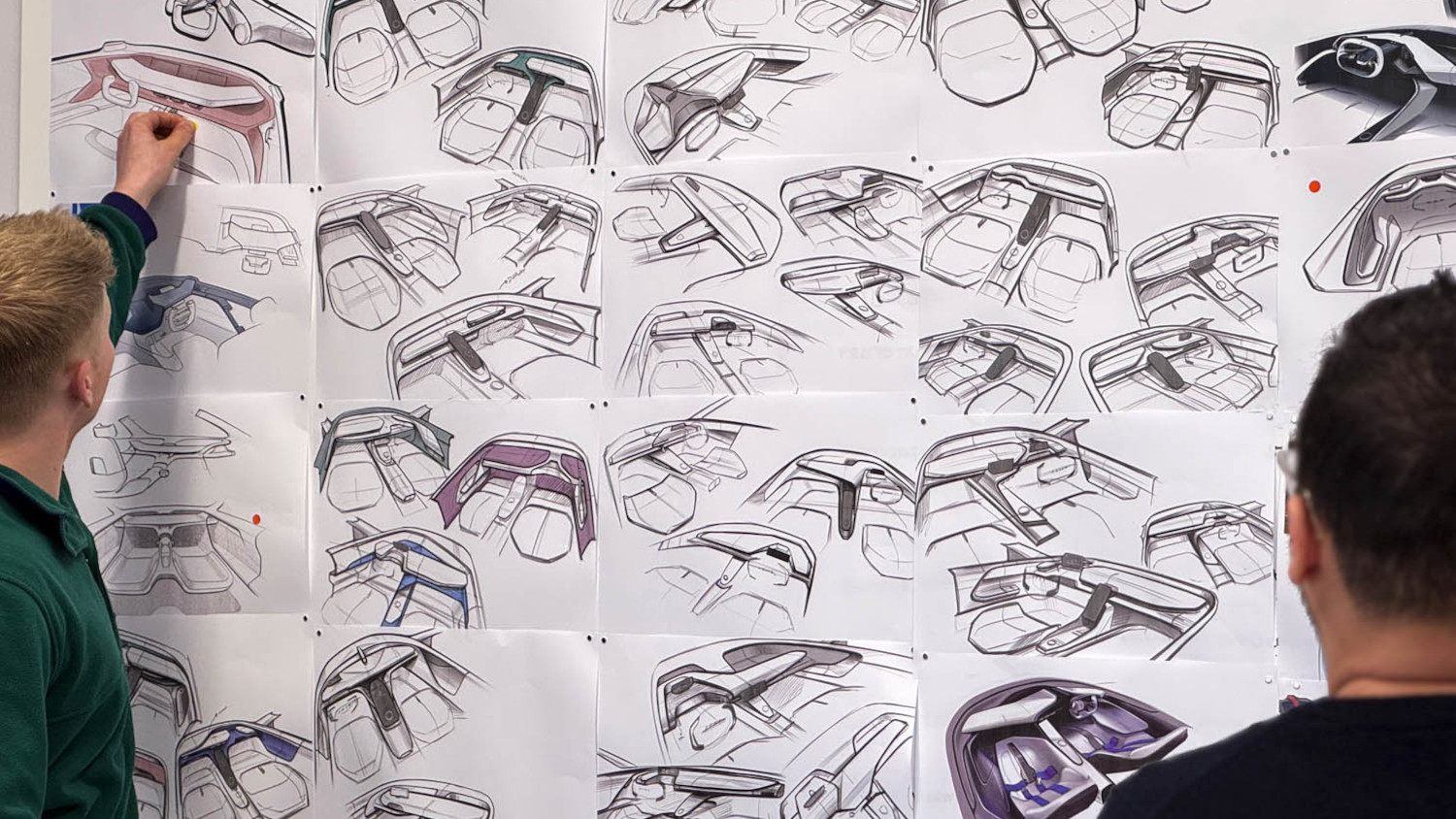
“Fundamentally, to produce a car you need a clay model that then gets scanned into CAD. And this is why we use virtual reality, because it essentially just eliminates that step.”
The adoption of virtual reality (VR) came very early, brought into the studio by Avant’s employee number two, Matthew Lincoln, who is now its lead creative designer.
Having set job applicants a test project, Gould was drawn to Lincoln’s design, which was developed using Gravity Sketch’s VR tools. With little knowledge of VR and a perception of it as being a bit of a gimmick, he was blown away by Lincoln’s work. “So I ended up employing him, and he introduced me to what was possible with VR.”
From that point onwards, VR has been a key tool in Avant’s creative arsenal. “Every single day when we run a project now, we bring data in, review it, critique it and whatnot. And we’ve sort of developed it now to the point where we use it in three key areas of our process.”
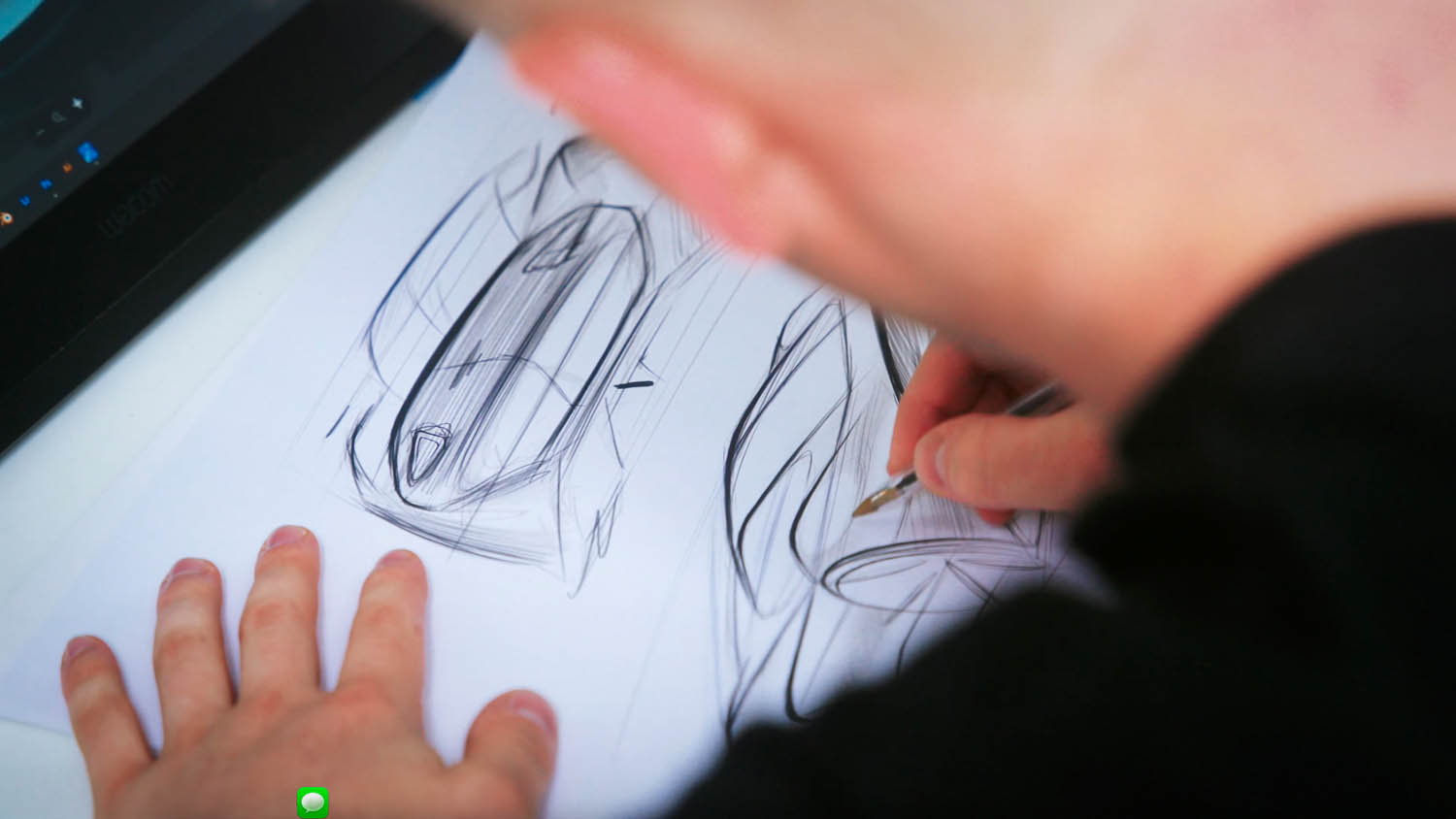
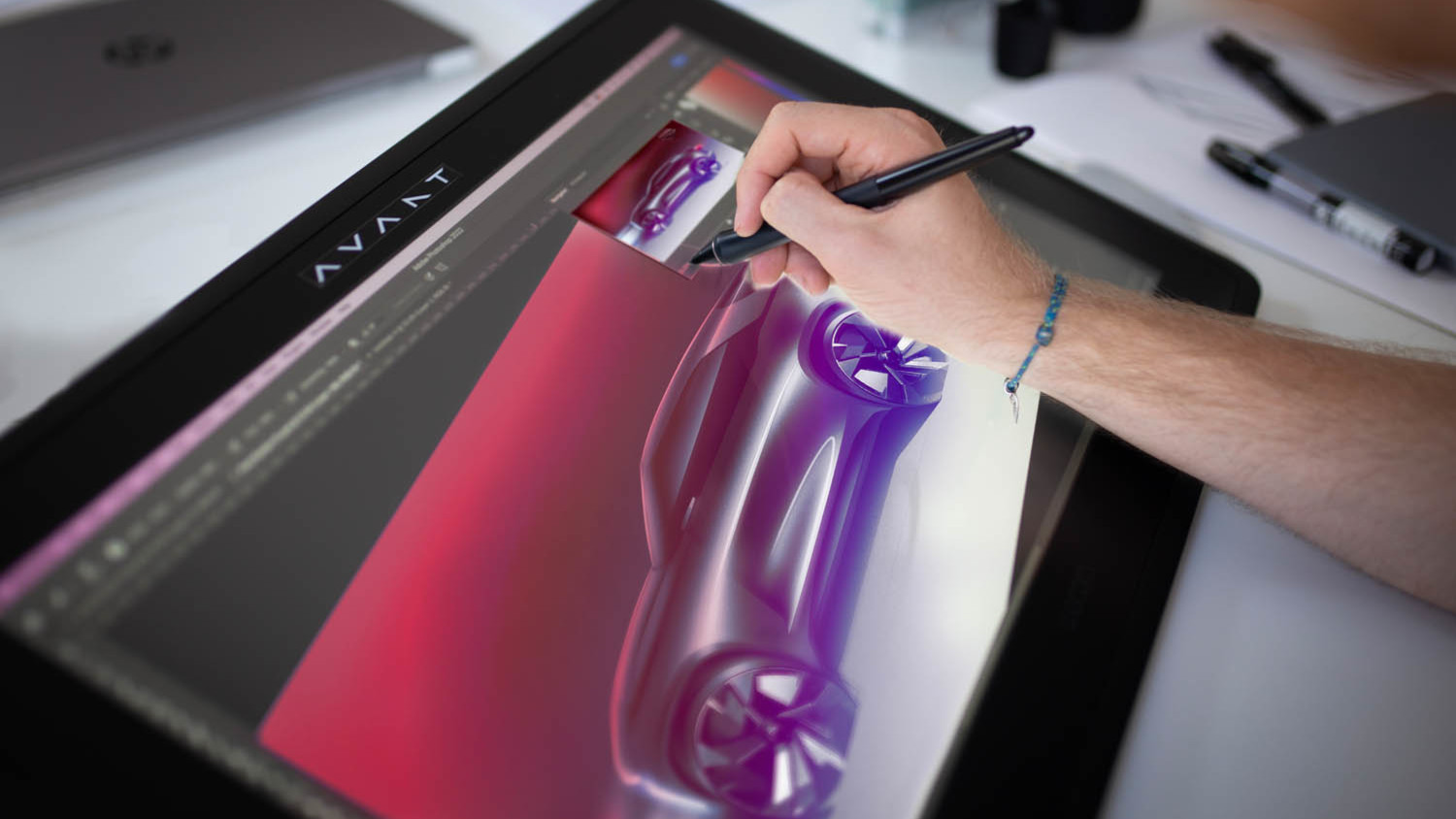
The first area is the concept phase. Avant’s team of 7 designers develop their 2D concepts into a more mature 3D form in Gravity Sketch, which Gould says helps avoid design intent being lost in the transition from the designer to the Autodesk Alias CAD model.
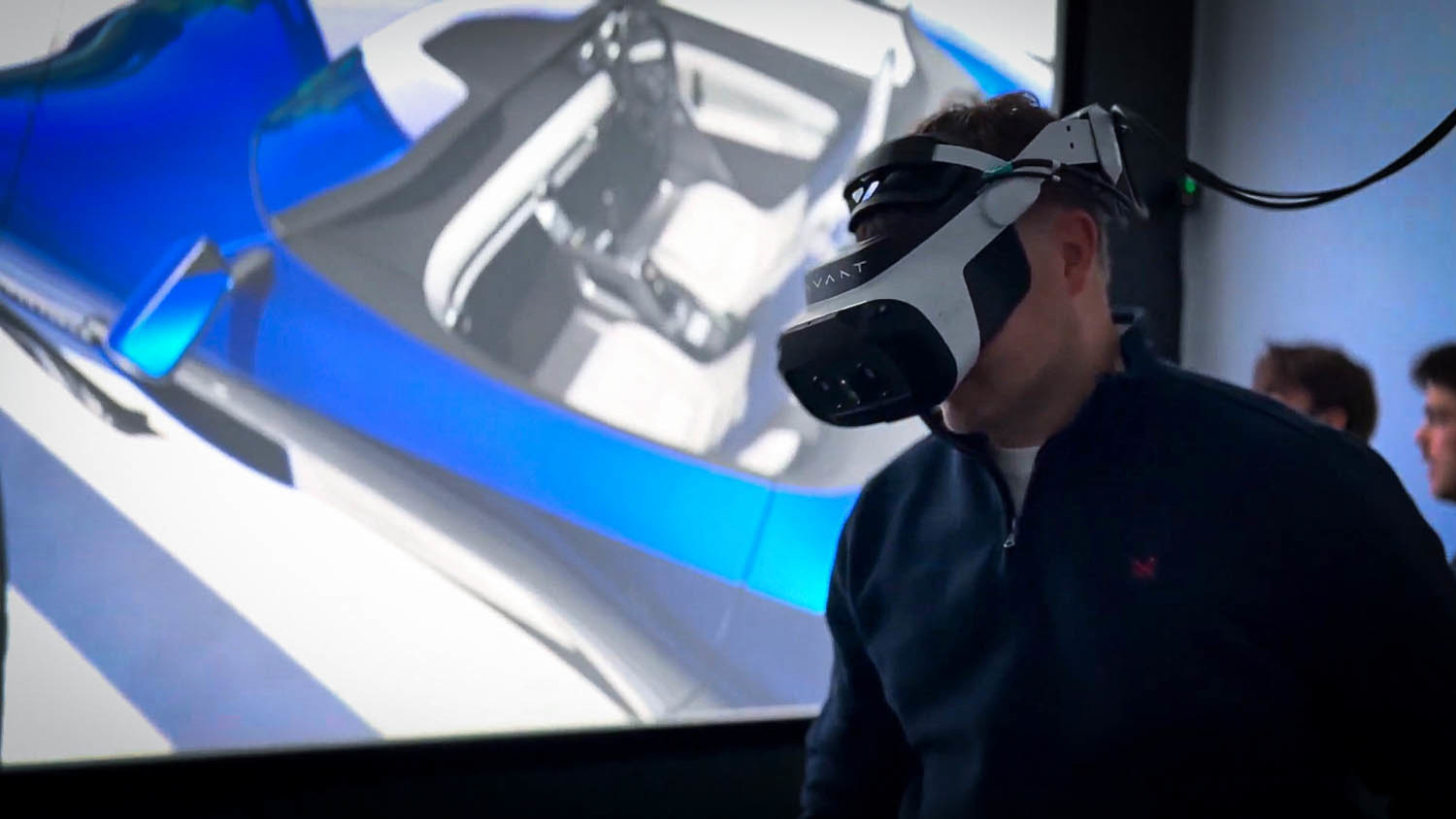
“Essentially, you’re treating it like a clay model at that point. We have our virtual reality suite, and we stand in there. It’s big enough to have a car at full scale, so we’ll zoom in with AR or VR, and we’re able to walk around it and just pull at it and manipulate the surfaces – just as if it were a clay model in front of us.”
The second area where VR is used involves bringing a design from Alias into Autodesk VRED. At this point, the design team has fully dressed the model. In this way, it’s ready for assessment by the team itself or a client, in order to identify what needs to be developed further.
The third and final area where Avant team members lean on the functionality of VR is in introducing full configurators and different lighting effects, building big, bespoke scenes that they tailor to each project and its stakeholders. The aim is to create an experience designed to get them the green light.
Show floor
Gould says that virtual reality gives Avant 80% of the feedback its team can get from a physical clay model, but with additional benefits. Surfaces can be manipulated instantly without waiting for skilled clay modellers to arrive. Colours, lighting and location can be switched straight away. Multiple concepts and variations can be displayed in the same line-up, building the confidence of a client to push on to the next stage.
Gould says that the most models they’ve shown at one time in a single scene is 15. “I always say to clients that you’ve basically got £15 million worth of prototypes right in front of you, all showing different things. When you add those kinds of [savings] considerations into it, it’s not only an effective replacement for more of the traditional OEM process, but also better in some ways. And that’s only going to get more effective as technology gets better.”
The team at Avant relies on some serious hardware to get the best from its VR tools, building their own workstations, some kitted with Nvidia RTX A6000 GPUs.
Varjo XR4 headsets provide the high fidelity necessary for this set-up to work at its best, but despite the costs, Gould is aware that this hardware is often better than the devices that many of his peers working at major OEMs have to hand.
“One of the USPs of what we do is we’re able to be agile, move fast and adopt technologies quicker than a lot of others,” he explains. “I like to think that we’re uniquely positioned by the fact that we’re a consultancy run by a lot of people who are still quite early in their careers.”
Many many consultancies, he points out, are established by people with decades in industry who want to escape and do their own thing. “So I think, in that sense, we’re able to adapt to new technologies and move much quicker than people who’ve got used to one programme for 20 to 25 years.”
Moving ahead
The acceleration in technologies is further highlighted by the use of AI within Avant’s workflow. Gould accepts that, whether we like it or not, AI is here to stay. Designers should use it, he believes, but they still need that grounding in what good design and good output looks like, in order to be able to extract the most from AI.
A great example is how Avant uses AI image generation in art direction for visuals. A recent project, still under wraps, saw a single designer create some 200 different images, showing various positionings, lighting and surroundings all produced in under two days. T
hese AI renders are not yet of such a quality that Avant would feel comfortable putting them out into the world, or even in front of a client. However, their purpose internally as guidance means the team can better assess the right path with less guesswork, before rendering out a final concept properly and using the saved time to make edits or explore new directions with the client.
For Avant, projects don’t end abruptly with a bundle of shiny renders and a bundle of CAD models being transferred over to the customer. Instead, the consultancy prides itself on seeing the undertaking through as far as it can, working alongside other stakeholders to produce the very best results.
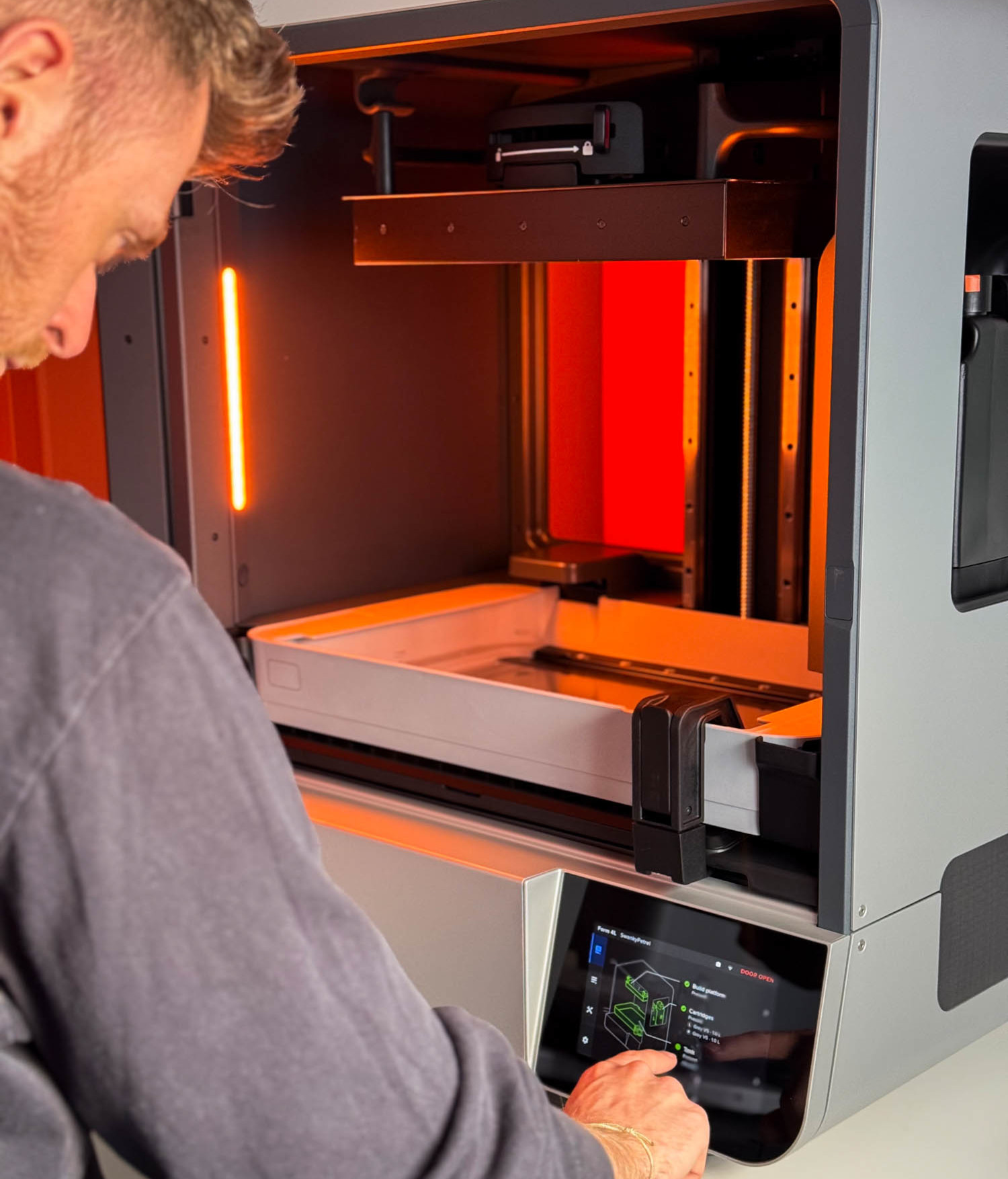
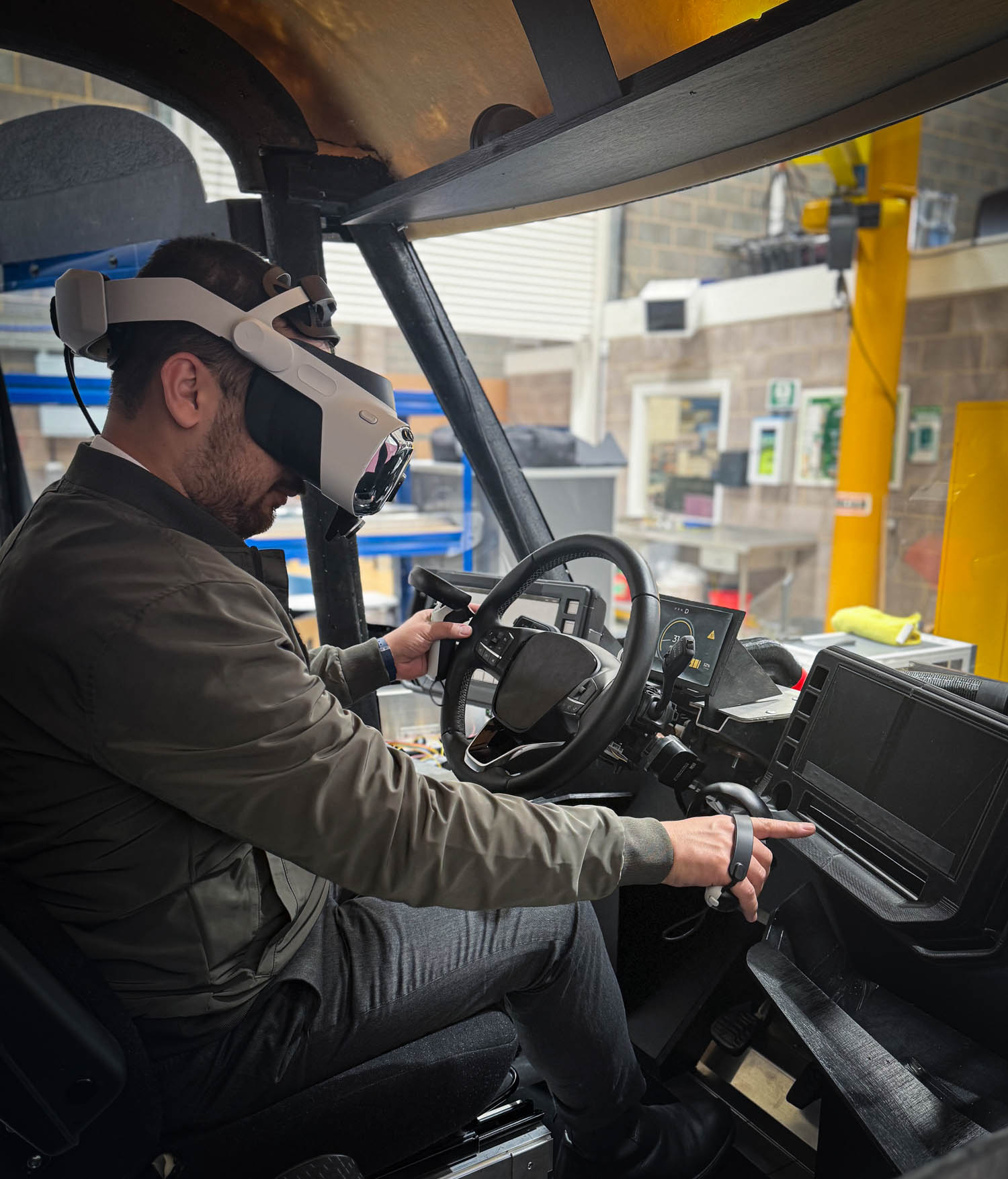
The prototype model for Longbow saw the team venture beyond providing digital designs. In addition, it also produced a great deal of the vehicle’s small components in-house, such as the car badges, while also helping to sort and assemble other pieces as the physical prototype took shape.
“Our reputation is entirely based on our portfolio work and the quality of that work. So it’s in our interest to make sure that it is delivered in a way that we’re happy with,” says Gould.
“If that means we have to go above and beyond to support that and make sure that the quality of the end product is something we’re pleased to put our name to then we do that.”
The team at Avant Design is still assisting its counterparts at Longbow as they move into the verification prototype stage, where production-intent components are assembled ready for further engineering validation to begin.
Gould promises that Longbow won’t be the only showstopper to emerge from the Avant Design studio in 2026. The consultancy’s powers when it comes to putting the latest technology to work, he believes, will continue to give its featherweight team the knockout punch of a true heavyweight.
See Avant Design’s Chris Gould @ DEVELOP3D LIVE
Visit DEVELOP3D LIVE on 25 March to see Avant Design’s Chris Gould present on the main stage. Gould will reflect on the relationship between traditional automotive craftsmanship and emerging immersive workflows, and how reducing friction between concept, CAD and evaluation accelerates decision making.
Through projects ranging from large commercial vehicles to lightweight focused electric sports cars, Gould will demonstrate how immersive environments, configuration and interactivity are redefining collaboration between design teams, engineers, clients and investors. The result is greater clarity, stronger alignment and a more confident path from concept to reality.
Tickets to DEVELOP3D LIVE are free and include a full conference pass, exhibition access and a complementary lunch.