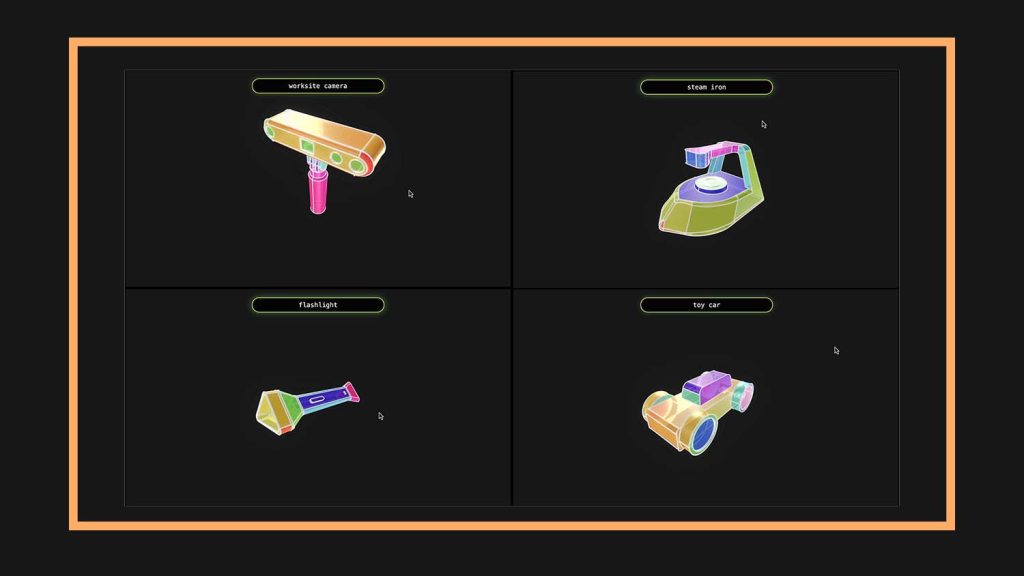

Autodesk has introduced Neural CAD, a new category of 3D generative AI foundation models coming to its Fusion and Forma products, which the company says will completely reimagine the traditional software engines that create CAD geometry and automate “80 to 90% of what you [designers] typically do”.
Unlike general-purpose large language models (LLMs) such as ChatGPT, Gemini, and Claude, Neural CAD models are trained on professional design data, enabling them to reason at both a detailed geometry level and at a systems and industrial process level – exploring ideas like efficient machine tool paths or standard building floorplan layouts.
According to Mike Haley, senior VP of research, Autodesk, Neural CAD models are trained on the typical patterns of how people design, using a combination of synthetic data and customer data. “They’re learning from 3D design, they’re learning from geometry, they’re learning from shapes that people typically create, components that people typically use, patterns that typically occur in buildings.”
Autodesk says that in the future, customers will be able to customise the neural CAD foundation models, by tuning them to their organisation’s proprietary data and processes.
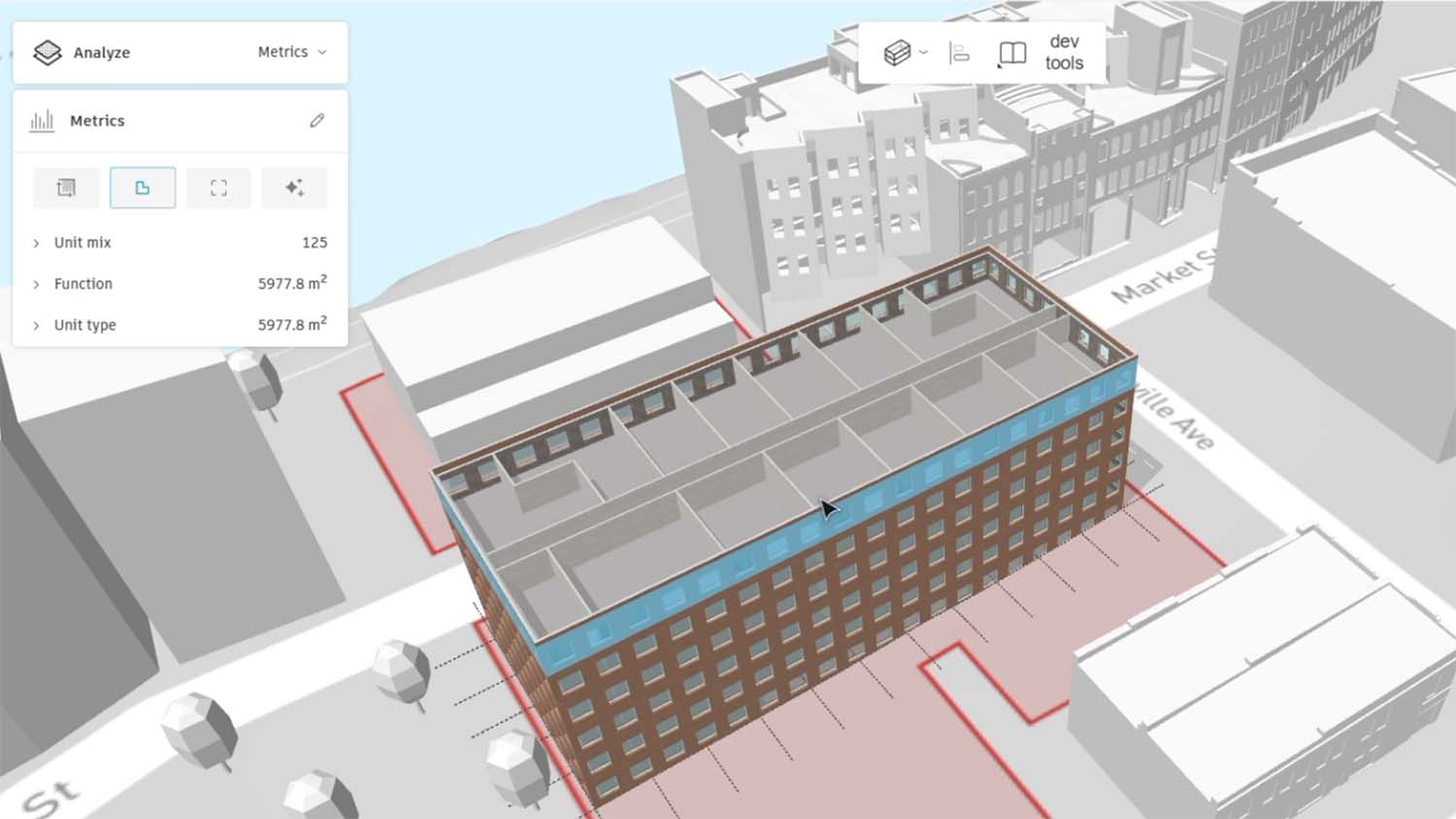
Autodesk has so far presented two types of Neural CAD models, one for product geometry another for buildings.
With Neural CAD for geometry, designers using Autodesk Fusion will be able to use language, sketching or imagery to produce first-class CAD geometry that can then be used directly in the product development and manufacturing processes.
With Neural CAD for buildings, architects using Autodesk Forma will be able to transition between early design concepts and more detailed building layouts and systems. The software is reportedly capable of autocompleting repetitive aspects of the design.
“If I was to change the shape of a building, it can instantly recompute all the internal walls,” says Haley. “It can instantly recompute all of the columns, the platforms, the cores, the grid lines, everything that kind of makes up the structure of the building. It can help recompute structural drawings.”
At Autodesk University this week, Autodesk will be demonstrating Project Think Aloud, a new research project that allows designers to create buildings by sketching with an electronic pencil and talking at the same time. “The AI is able to take the speech and the text and reason about what your intent is to produce, building directly in Forma,” says Haley.