
Theme park predator
Settling down into the seat of a roller coaster is, depending on your disposition for such pastimes, either a sensation of great excitement or terror.
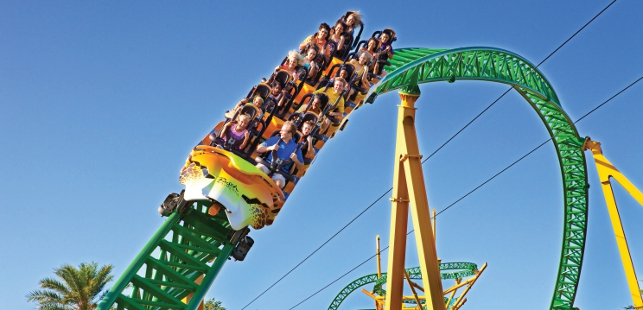
The Cheetah Hunt ride in Bush Gardens
At the forefront of some of the most renowned ‘coasters in the theme park heartland of Florida is Mark Rose, VP of design and engineering at Busch Gardens and its sister parks that include the aquatic-themed SeaWorld.
Part safari park, part theme park, Busch Gardens has recently unveiled its newest attraction: Cheetah Hunt, a steel launched roller coaster that merrily zips and twists to give the rider a sensation of speed close to that of Earth’s fastest land mammal.
A ‘coaster design usually takes between three and ten years of development – Cheetah Hunt was completed in a mere 18 months. However, the concept actually came over half a decade ago having watched the speeder bikes in Star Wars.
At seven acres it has the largest footprint of all the rides at Busch Gardens, taking riders past some of the park’s premiere wildlife enclosures – something that threw up design challenges. “We wanted to add an animal component,” states Rose.
“As our design process continued it morphed from a close-to-the-ground ‘coaster into a cheetah-themed one because we wanted to expand the realm of where the ‘coaster would be, the gift shop and our food stands.”
Remembering that this is a commercial enterprise is important, but so is the impact on the rest of the park. Using a series of weather balloons to simulate the track position and height, photos were taken from all angles and the track was superimposed on to them. Adjustments could be made to keep it out of sight if needed by adjusting height or simply planting a strategic tree.
The track layout was done initially in sketches and AutoCAD. Fifty iterations were taken before it became very detailed, moving the track fractions of an inch to increase smoothness and to ease out excessive forces. The layout was then perfected using proprietary software programs to calculate speeds and forces, as well as rider simulation.
The distinctive Cheetah passenger trains were the final part: sketched out before being carved by hand from foam to create the mould for the final fibreglass carts. Finally, the spots were applied before unleashing the ride into its new habitat!
You spin me right round…
There’s something of the fairy tale about an ancient carousel decked out with prancing horses, extravagant paintwork, and a twinkling soundtrack. Far from being the extinct ride of yesteryear, carousels still draw crowds of excited children and adults alike and there’s a need for new rides to be built.
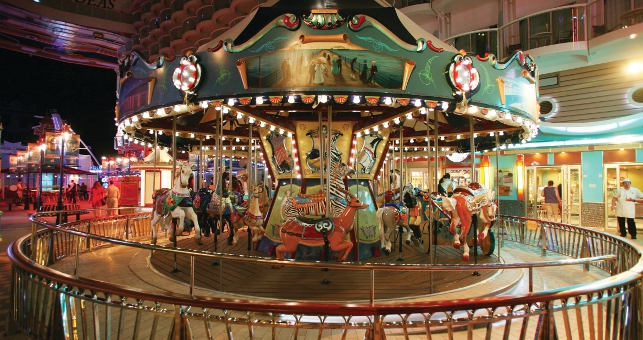
Allure of the Seas Carousel
Without abandoning the traditional wooden manufacturing of old, Ohio’s Carousel Works is the only company in the world that carves and paints wooden carousels by hand.
While most companies rely on mass manufactured fibreglass or steel components Carousel Works is reviving a tradition while using modern design tools to make it viable.
“Each carousel manufactured by Carousel Works is a completely custom job,” says company co-founder Art Ritchie.
“Autodesk Inventor software unlocks my imagination and makes it easy for me to create designs that have never been built before, and then share my vision with the customer. Letting the customer see exactly what the finished product will look like brings everyone peace of mind.”
3D design tools provide a critical role in designing the structural framework of the carousel, as well as the mechanical systems that power it. Autodesk Mudbox provides a digital sculpting environment that assists in the creation of the hand-carved animal figures, some of them as much as seven-feet tall.
All manner of horses, birds, sealife, insects and a selection of panda bears can be chosen to act as seating figures, while the team will go as far as possible to help create a unique ride.
The rides are also to be found in places not normally associated with traditional fairground fodder. For instance, Carousel Works’ projects can be found ploughing across oceans on board Royal Caribbean Cruise Lines ships, amongst the real animals in zoos and in some of America’s parks and visitor attractions.
Maintaining the traditional appearance and feel of the wood the carousels retain some of the magic that should see them pleasing generations for years to come.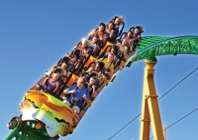
3D technology aids in the design of two theme park experiences
Default